What Does Homeowners Insurance Cover? The 4 Core Sections

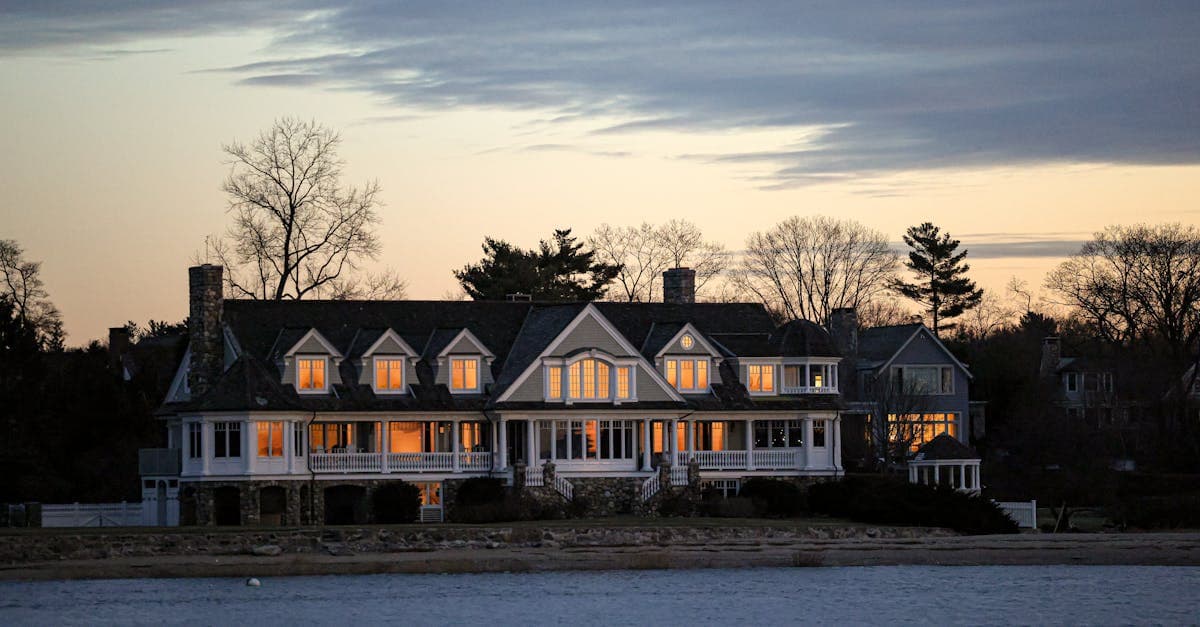
Let's walk through what homeowners insurance actually covers — because most people have a policy but few really understand everything it protects. Homeowners insurance is the compass that guides homeowners through the vast terrain of property risk toward financial safety. A standard HO-3 policy — the most common type in America — provides six distinct categories of coverage that together form a comprehensive protection system for your property and your finances.
The first layer is dwelling coverage, which pays to repair or rebuild your home's structure after covered damage. The second is other structures coverage, protecting detached buildings like garages, sheds, and fences. The third is personal property coverage, which protects your belongings inside and outside the home. The fourth is loss of use, covering additional living expenses when you cannot occupy your home. The fifth is personal liability, protecting you against lawsuits when someone is injured on your property or you accidentally damage someone else's property. The sixth is medical payments to others, providing no-fault coverage for guests injured on your premises.
Together, these six sections create a layered defense system. But every homeowners policy also contains exclusions — specific events and types of damage the policy will not cover. Floods, earthquakes, maintenance-related damage, and intentional acts are among the most significant exclusions that catch homeowners off guard.
Understanding what your homeowners insurance covers — and what it explicitly does not — is the uncharted waters where homeowners drift without protection when disaster strikes their most valuable asset. The gap between perceived coverage and actual coverage is where financial disasters occur. A homeowner who assumes flood damage is covered discovers the truth only after water fills their basement. This guide walks through every coverage section, every common exclusion, and every strategic decision that determines whether your policy truly protects your home.
Dwelling Coverage: The Core of Your Homeowners Policy
Here is the thing though — Dwelling coverage is the largest and most important section of your homeowners policy, and it is the compass that guides homeowners through the vast terrain of property risk toward financial safety. This coverage pays to repair or rebuild your home's physical structure — the walls, roof, floors, built-in appliances, attached garage, and permanently installed fixtures — after damage from a covered peril.
Open perils coverage: On a standard HO-3 policy, your dwelling is covered on an open perils basis. This means every cause of damage is covered unless it is specifically excluded in the policy. This broad approach protects against fire, wind, hail, lightning, falling objects, vandalism, theft damage, vehicle impact, explosion, and dozens of other perils without requiring each one to be listed.
Setting the right limit: Your dwelling coverage limit should equal your home's full replacement cost — the amount it would cost to rebuild your home from the ground up at current construction prices. This is not your home's market value, which includes land value, and it is not your purchase price, which may be higher or lower than replacement cost. An insurance agent or appraiser can help you calculate accurate replacement cost.
The coinsurance requirement: Most homeowners policies include a coinsurance clause requiring you to insure your dwelling for at least 80 percent of its replacement cost. If you carry less than this threshold and file a partial loss claim, the insurer can reduce your payout proportionally. Maintaining coverage at full replacement cost eliminates this penalty.
Inflation and coverage gaps: Construction costs rise over time, and your dwelling coverage limit needs to keep pace. Many policies include an inflation guard endorsement that automatically increases your limit annually. Without this adjustment, you could be tens of thousands short after a total loss.
Water Damage Coverage: The Most Confusing Part of Your Policy
Now, this is where it gets interesting. Water damage is the most complex and misunderstood coverage area in homeowners insurance, representing the uncharted waters where homeowners drift without protection when disaster strikes their most valuable asset. Whether your policy pays depends entirely on where the water came from and how it entered your home.
Covered water damage: Sudden and accidental water damage is covered. This includes burst pipes, accidental overflow from a washing machine or dishwasher, sudden failure of a water heater, accidental discharge from a home's plumbing system, and rain entering through a hole created by a covered event like wind damage. These events are sudden, unexpected, and beyond the homeowner's control.
Excluded water damage: Gradual water damage is not covered. Slow leaks behind walls, seeping foundations, moisture intrusion through deteriorated caulking, and water damage from deferred maintenance are excluded. The insurer's position is that these issues are preventable through regular maintenance and are not sudden accidents.
The flood exclusion: Flood damage — defined as water entering from outside through surface accumulation, river overflow, storm surge, or mudflow — is never covered by standard homeowners insurance. This exclusion applies regardless of the water's source or the homeowner's fault. Flood coverage requires a separate policy through the National Flood Insurance Program or a private flood insurer.
Sewer and drain backup: Water entering your home through sewer lines or backed-up drains is typically excluded from standard policies. This is one of the most common home damage events and one of the easiest gaps to close. A sewer backup endorsement usually costs $30 to $75 per year and provides $5,000 to $25,000 in coverage.
Documenting water damage claims: When filing a water damage claim, photograph everything immediately and document the source. Your insurer will investigate whether the damage was sudden or gradual, so evidence of timing is critical to a successful claim.
Dog Bites and Pet Liability Under Homeowners Insurance
Here is the thing though — Dog bite claims account for over one-third of all homeowners liability payouts, making pet liability one of the most significant coverage areas in your policy. Understanding how your homeowners insurance handles pet-related injuries protects you from potentially devastating lawsuits.
Standard coverage for dog bites: Most homeowners policies cover dog bite liability under the personal liability section. If your dog bites a visitor, neighbor, or passerby, your liability coverage pays for the victim's medical bills, lost wages, and potential pain and suffering damages up to your policy limit.
Breed restrictions: Some insurers exclude specific breeds from liability coverage based on statistical bite data. Breeds commonly excluded or restricted include pit bulls, Rottweilers, German Shepherds, Dobermans, Akitas, and wolf hybrids. If your insurer excludes your dog's breed, a bite incident could leave you personally liable for all damages with no insurance support.
The one-bite rule vs strict liability: Some states follow a one-bite rule where owners are not liable for a first bite if they had no reason to know their dog was dangerous. Other states impose strict liability where dog owners are responsible for bite injuries regardless of the dog's history. Your state's approach affects both your liability exposure and how your insurance responds.
Coverage limits and umbrella protection: The average dog bite liability claim exceeds $50,000, and severe attacks can produce claims in the hundreds of thousands. If your homeowners liability limit is $100,000 and a bite claim reaches $250,000, you are personally responsible for the $150,000 difference. An umbrella policy provides the additional layer of protection that dog owners should seriously consider.
Reducing your risk: Socializing and training your dog, maintaining secure fencing, warning visitors about your pet, and following local leash laws all reduce bite risk and strengthen your defense if a claim occurs. Some insurers offer premium reductions for dogs that complete obedience training programs.
Personal Property Coverage: Protecting Everything You Own
Now, this is where it gets interesting. Personal property coverage — also called Coverage C — protects your belongings against damage or theft. This includes furniture, clothing, electronics, kitchen items, sporting equipment, books, and virtually everything else you own that is not permanently attached to the structure. The coverage typically equals 50 to 70 percent of your dwelling coverage limit.
Named perils coverage: Unlike your dwelling, personal property on a standard HO-3 is covered on a named perils basis. Only the sixteen perils listed in the policy trigger coverage: fire, lightning, windstorm, hail, explosion, riot, aircraft damage, vehicle damage, smoke, vandalism, theft, volcanic eruption, falling objects, weight of ice and snow, accidental water discharge, and sudden electrical damage.
Sub-limits that matter: Your personal property coverage includes sub-limits — maximum amounts for specific categories of items regardless of your total coverage limit. Common sub-limits include $1,500 for jewelry and watches, $2,500 for firearms, $200 for cash and currency, $2,500 for silverware, and $1,500 for business property at home. These sub-limits catch many homeowners off guard during high-value theft claims.
Replacement cost vs actual cash value: How your insurer values your damaged property dramatically affects your payout. Replacement cost coverage pays to replace items with new equivalents. Actual cash value deducts depreciation, meaning a five-year-old laptop worth $1,200 new might pay only $300 after depreciation. Most experts recommend replacement cost coverage for personal property.
Off-premises coverage: Your personal property coverage extends beyond your home. Items stolen from your car or lost from a hotel room are covered. Off-premises coverage is typically limited to 10 percent of your personal property limit, so high-value items traveling with you may need scheduled endorsement protection.
Fire and Smoke Damage: Your Policy's Most Comprehensive Protection
Here is the thing though — Fire is the peril that started the insurance industry, and fire damage remains one of the most thoroughly covered events under homeowners insurance. When fire strikes your home, multiple coverage sections activate simultaneously to fund your recovery.
Dwelling coverage for fire: Fire damage to your home's structure is covered without question under every standard homeowners policy. This includes damage from the fire itself, smoke damage to walls and ceilings, water damage from firefighting efforts, and structural damage caused by firefighters accessing the blaze. The full dwelling coverage limit is available for fire claims.
Personal property losses: Every item destroyed or damaged by fire, smoke, or firefighting water is covered under personal property. This includes clothing, furniture, electronics, kitchen items, and all other personal belongings. Replacement cost coverage pays for new replacements, while actual cash value coverage deducts depreciation from the payout.
Smoke damage specifics: Smoke damage often extends far beyond the fire's location. Smoke residue can penetrate walls, ductwork, clothing, and soft furnishings throughout the home even when the fire is contained to one room. Professional smoke remediation — including cleaning, deodorizing, and replacing smoke-damaged materials — is covered as part of the fire claim.
Loss of use after a fire: Fire damage frequently makes homes uninhabitable for weeks or months. Loss of use coverage pays for your temporary housing, increased meal costs, and other additional living expenses throughout the repair or rebuilding period. For total losses, this coverage may fund temporary living expenses for a year or more.
The claims process for fire: Fire claims are among the most complex because they involve multiple coverage sections, extensive documentation, and often total or near-total loss of personal property. Start by contacting your insurer immediately, documenting the damage with photographs and video, securing the property against further damage, and beginning a comprehensive inventory of destroyed and damaged items.
Other Structures Coverage: Beyond the Main Dwelling
Here is the thing though — Other structures coverage — Coverage B — protects detached buildings and structures on your property. This includes detached garages, storage sheds, fences, gazebos, guest houses, barns, and any other structure that is not physically connected to your main dwelling. The coverage limit is typically 10 percent of your dwelling coverage.
What qualifies as an other structure: Any structure on your property that is separated from the main dwelling by clear space — even if connected only by a fence or utility line — qualifies as an other structure. A detached garage is covered under other structures even if it is only steps from your back door. An attached garage, by contrast, is part of the dwelling and covered under Coverage A.
Coverage limit considerations: The standard 10 percent allocation works for most homeowners with a basic shed or fence. But if you have a detached garage worth $50,000, a pool house worth $30,000, or a workshop with valuable equipment, 10 percent of your dwelling coverage may not be enough. Many insurers allow you to increase the other structures limit for an additional premium.
Covered perils: Other structures receive the same open perils coverage as your dwelling on a standard HO-3 policy. This means fire, wind, hail, lightning, vandalism, vehicle impact, and other non-excluded perils are covered. The exclusions are also the same — flood, earthquake, and maintenance-related damage are not covered for other structures.
Rental use restrictions: If you rent a detached structure on your property, your homeowners policy may restrict or exclude coverage. Rented structures may require a separate landlord policy or a specific endorsement.
Fences and boundary disputes: Fence damage from covered perils is covered under other structures. Clarifying fence ownership with neighbors before a loss prevents disputes during the claims process.
Take Action on Your Homeowners Coverage Today
Understanding what homeowners insurance covers is only valuable if you act on that knowledge. Here is what to do right now.
First, pull out your homeowners declarations page and review every coverage section. Confirm your dwelling coverage matches your home's current replacement cost — not its market value or purchase price. Check whether your personal property is covered at replacement cost or actual cash value. Verify your liability limit is adequate for your asset level.
Second, create a home inventory if you do not have one. Walk through every room with your smartphone recording video and narrating the contents. Open closets, cabinets, and drawers. This single step can increase your claim recovery by 30 to 50 percent after a major loss.
Third, evaluate your exclusion gaps. Do you need flood insurance? Earthquake coverage? A sewer backup endorsement? These supplemental coverages address the most dangerous gaps in standard homeowners insurance and are often surprisingly affordable.
Fourth, schedule any high-value items that exceed standard sub-limits. Jewelry, art, collectibles, and musical instruments all deserve individual coverage at appraised values.
Your homeowners insurance is plotting a reliable course through home ownership risks so every potential hazard has a mapped response. But the policy only protects you when your coverage limits are adequate, your endorsements address your specific risks, and your documentation supports your claims. Take an hour this week to review your policy, update your inventory, and close the gaps that could cost you thousands after a loss.
Continue reading

How to Compare Insurance Quotes the Right Way: A Complete Guide
Comparing insurance quotes on price alone is a common and costly mistake. This guide walks through every element you should evaluate to find the policy that delivers the best value for your specific situation.

When Should You Get a Policy Checkup? A Complete Timing Guide
Your insurance needs change as your life changes. A policy checkup ensures your coverage keeps pace with new risks, assets, and responsibilities. This guide explains when and how to review your policies.

What Is Assignment of Benefits in Insurance? A Complete Guide
Assignment of benefits lets you transfer your insurance claim rights to a third party like a contractor. This guide explains how AOB works, when it helps, and when it can backfire.