How Often Should Florida Drivers Review Their Auto Insurance Policy?


Let's talk about how often you really need to look at your Florida auto insurance — because most drivers wait way too long between reviews. Regular policy review is the regular compass check that keeps Florida drivers on course toward adequate protection. Your auto insurance is not a static product — it is a living financial tool that must adapt to changes in your life, your vehicle, your driving patterns, and Florida's uniquely volatile insurance market.
The concept of policy review frequency starts with a baseline: at minimum, every Florida driver should conduct a thorough review once per year, ideally thirty to sixty days before their renewal date. This timing gives you enough lead time to compare quotes, negotiate with your current carrier, and make changes before the new policy period begins.
But annual reviews are just the starting point. Florida's insurance environment creates additional review triggers that other states do not generate. Legislative changes to the no-fault system, hurricane season preparations, dramatic shifts in the uninsured motorist rate, and the state's high rate of insurance fraud all create conditions where coverage that was adequate six months ago may no longer serve you properly.
The real cost of infrequent reviews is the drifting navigation that leads drivers into coverage gaps they never saw coming. Drivers who skip reviews tend to overpay for coverage that no longer matches their needs while simultaneously carrying gaps they do not know exist. A vehicle that has depreciated below its coverage value, a teenager who has moved off the policy, a credit score that has improved — each of these changes affects your premium and your coverage, but only if you take the time to review and act. Understanding the right review frequency is the foundation of smart insurance management in Florida.
The Annual Review: Your Baseline for Florida Policy Management
Here is the thing though — The annual review is the foundation of smart insurance management, and it is the regular compass check that keeps Florida drivers on course toward adequate protection. Every Florida driver should conduct a comprehensive policy evaluation at least once per year, regardless of whether anything has obviously changed. The ideal timing is thirty to sixty days before your renewal date, giving you enough runway to research alternatives and make adjustments before your new policy period begins.
What to examine during your annual review: Start with your declarations page and verify every coverage line. Check your bodily injury liability limits against your current asset level. Verify your property damage liability reflects current vehicle values in your area. Confirm your PIP deductible still aligns with your health insurance status. Review your uninsured motorist coverage and stacking election. Examine your comprehensive and collision deductibles against your vehicle's current value.
The comparison shopping component: Every annual review should include quotes from at least three competitors. Florida's market is competitive enough that rates for identical coverage can vary by hundreds of dollars between carriers. Even if you ultimately stay with your current insurer, having competitive quotes gives you leverage to negotiate and confidence that your rate is fair.
Discount verification: Insurers do not always apply every discount automatically. During your annual review, verify that you are receiving multi-policy discounts, safe driver credits, vehicle safety feature discounts, good student discounts for eligible household members, and any professional or organizational affiliations that qualify for rate reductions.
Documentation: Keep a record of each annual review including the date, coverages examined, quotes obtained, and changes made. This documentation creates a history that informs future reviews and demonstrates your commitment to maintaining appropriate coverage.
Reviewing Bundling Opportunities During Your Florida Policy Check
Now, this is where it gets interesting. Multi-policy bundling is one of the most reliable ways to reduce insurance costs, yet many Florida drivers miss bundling opportunities because they review each policy in isolation. A comprehensive review examines all your insurance policies together to identify savings and coverage coordination benefits.
Common bundling combinations: The most valuable bundle for most Florida drivers combines auto and homeowner or renter insurance with the same carrier. This bundle typically saves ten to twenty-five percent on the combined premium. Adding an umbrella policy to the bundle can create additional discounts while dramatically expanding your liability protection.
When bundling makes sense: Bundling delivers the best value when the bundled rate from one carrier beats the combined cost of separate best-rate policies from different carriers. This is not always the case — sometimes two specialized carriers provide better individual rates even without bundling. Only a thorough comparison during your review reveals which approach wins.
Florida-specific bundling considerations: Florida's challenging property insurance market means your homeowner's insurance carrier may not be competitive for auto insurance, and vice versa. Do not assume bundling is automatically best — compare the bundled rate against the sum of the best individual rates. In some Florida markets, property insurance availability is so limited that bundling flexibility is constrained.
Reviewing bundle eligibility changes: Major life events can create new bundling opportunities. Purchasing a home, adding a recreational vehicle, or acquiring a watercraft all create policies that can be bundled. Conversely, selling a home or dropping a policy removes a bundle component that may affect your remaining auto discount.
The annual bundle audit: Each year, verify that your bundle discount is being applied correctly and that the bundled rate remains competitive. Carriers occasionally change their bundling discount structures, and a discount that was twenty percent last year may have decreased to fifteen percent at renewal.
How Your Claims History Should Guide Your Review Frequency
Here is the thing though — Your claims history creates a timeline of premium impacts that directly affects when and how often you should review your Florida policy. Understanding this timeline helps you time reviews for maximum savings as claims age off your record.
The claims impact timeline: Most Florida insurers consider claims from the past three to five years when calculating your premium. A claim filed today begins affecting your rate at your next renewal and continues to influence pricing for several years. As each claim ages past the three-year and five-year marks, its premium impact diminishes or disappears entirely.
Timing reviews around claims aging: When a significant claim is about to age past the three-year mark, schedule a competitive review. This is when your pricing profile improves, and other carriers may offer rates your current insurer has not yet adjusted. Many drivers discover that switching carriers after a claim ages off their record produces savings their current carrier would not have voluntarily provided.
Multiple claims and review urgency: Drivers with two or more recent claims face significantly higher premiums and limited carrier options. As claims age off, options expand. Review your policy annually at minimum, with additional reviews each time a claim passes a significant aging threshold. The difference in available rates can be dramatic.
Claims-free discount recovery: Many carriers offer claims-free discounts that reward consecutive years without a claim. Once you cross the three-year or five-year claims-free threshold, verify that your carrier has applied the appropriate discount. If not, request it or compare quotes from carriers that offer more generous claims-free pricing.
CLUE report accuracy and review timing: Errors on your CLUE report can inflate your premium unfairly. Review your CLUE report annually and dispute any inaccuracies promptly. An incorrectly reported claim that ages on your record for years costs you money that you should not be paying.
The Annual Review: Your Baseline for Florida Policy Management
Here is the thing though — The annual review is the foundation of smart insurance management, and it is the regular compass check that keeps Florida drivers on course toward adequate protection. Every Florida driver should conduct a comprehensive policy evaluation at least once per year, regardless of whether anything has obviously changed. The ideal timing is thirty to sixty days before your renewal date, giving you enough runway to research alternatives and make adjustments before your new policy period begins.
What to examine during your annual review: Start with your declarations page and verify every coverage line. Check your bodily injury liability limits against your current asset level. Verify your property damage liability reflects current vehicle values in your area. Confirm your PIP deductible still aligns with your health insurance status. Review your uninsured motorist coverage and stacking election. Examine your comprehensive and collision deductibles against your vehicle's current value.
The comparison shopping component: Every annual review should include quotes from at least three competitors. Florida's market is competitive enough that rates for identical coverage can vary by hundreds of dollars between carriers. Even if you ultimately stay with your current insurer, having competitive quotes gives you leverage to negotiate and confidence that your rate is fair.
Discount verification: Insurers do not always apply every discount automatically. During your annual review, verify that you are receiving multi-policy discounts, safe driver credits, vehicle safety feature discounts, good student discounts for eligible household members, and any professional or organizational affiliations that qualify for rate reductions.
Documentation: Keep a record of each annual review including the date, coverages examined, quotes obtained, and changes made. This documentation creates a history that informs future reviews and demonstrates your commitment to maintaining appropriate coverage.
Reviewing Bundling Opportunities During Your Florida Policy Check
Now, this is where it gets interesting. Multi-policy bundling is one of the most reliable ways to reduce insurance costs, yet many Florida drivers miss bundling opportunities because they review each policy in isolation. A comprehensive review examines all your insurance policies together to identify savings and coverage coordination benefits.
Common bundling combinations: The most valuable bundle for most Florida drivers combines auto and homeowner or renter insurance with the same carrier. This bundle typically saves ten to twenty-five percent on the combined premium. Adding an umbrella policy to the bundle can create additional discounts while dramatically expanding your liability protection.
When bundling makes sense: Bundling delivers the best value when the bundled rate from one carrier beats the combined cost of separate best-rate policies from different carriers. This is not always the case — sometimes two specialized carriers provide better individual rates even without bundling. Only a thorough comparison during your review reveals which approach wins.
Florida-specific bundling considerations: Florida's challenging property insurance market means your homeowner's insurance carrier may not be competitive for auto insurance, and vice versa. Do not assume bundling is automatically best — compare the bundled rate against the sum of the best individual rates. In some Florida markets, property insurance availability is so limited that bundling flexibility is constrained.
Reviewing bundle eligibility changes: Major life events can create new bundling opportunities. Purchasing a home, adding a recreational vehicle, or acquiring a watercraft all create policies that can be bundled. Conversely, selling a home or dropping a policy removes a bundle component that may affect your remaining auto discount.
The annual bundle audit: Each year, verify that your bundle discount is being applied correctly and that the bundled rate remains competitive. Carriers occasionally change their bundling discount structures, and a discount that was twenty percent last year may have decreased to fifteen percent at renewal.
Reviewing Your Florida Policy After an Accident
Here is the thing though — An accident is the ultimate stress test for your insurance policy. It reveals exactly what your coverage does and does not protect, how your deductibles affect your out-of-pocket costs, and whether your limits are adequate for the actual damages involved. A post-accident review converts this experience into actionable improvements.
Immediate post-accident coverage assessment: After the claims process stabilizes, review how each coverage on your policy performed. Did your PIP limit cover your medical expenses, or was it exhausted quickly? Did your property damage liability fully cover the other driver's vehicle, or did your limit fall short? Did you have rental reimbursement when you needed it? Each gap identified represents a coverage adjustment for your next review.
Premium impact analysis: Accidents affect your premium at renewal, with the magnitude depending on fault determination, claim severity, and your prior claims history. Understanding the expected premium impact helps you plan financially and motivates comparison shopping at your next renewal, as some carriers penalize accidents less severely than others.
Liability limit reassessment: If the accident resulted in bodily injuries, evaluate whether your liability limits would have been sufficient in a worst-case scenario. A minor accident may cause little damage, but the same circumstances with higher speeds or more vehicles could have produced catastrophic injuries. Use the accident as a prompt to evaluate whether your limits match your actual exposure.
Coverage gap identification: Many Florida drivers discover coverage gaps only after an accident. Missing uninsured motorist coverage, inadequate medical payments coverage, or no rental reimbursement are common discoveries. Document every gap revealed by the accident and address each one before your next renewal.
Claims history management: Your CLUE report now includes this claim. Request a copy, verify its accuracy, and understand how long the claim will affect your premium. Most accidents affect your rate for three to five years, creating a timeline for when your premium should normalize.
Take Action on Your Florida Policy Review Today
Understanding the importance of regular policy reviews only matters if you act on it. Here is what to do right now to establish your review system and close any existing gaps in your Florida auto insurance.
First, pull your current declarations page and read every line. Note your coverages, limits, deductibles, and listed discounts. Compare these against the recommendations in this guide. If you find gaps — missing uninsured motorist coverage, low liability limits, a PIP deductible that no longer matches your health insurance — flag them for immediate action.
Second, request quotes from at least three competitors using your current coverage specifications. Even if you reviewed recently, fresh data shows whether your rate remains competitive. In Florida's dynamic market, competitive positions shift every quarter.
Third, set up your review calendar. Mark your annual comprehensive review date, your quarterly check-in dates, and any known upcoming triggers such as a teen approaching licensure, a vehicle loan payoff date, or an expected move. Automated calendar reminders turn good intentions into consistent habits.
Your regular policy review is recalibrating your insurance route to match the changing roads of Florida driving life. It is the single most impactful insurance habit you can build as a Florida driver. The investment of a few hours per year returns hundreds in savings, thousands in improved coverage, and the confidence of knowing your protection matches your actual needs. Start today.
Continue reading

How to Compare Insurance Quotes the Right Way: A Complete Guide
Comparing insurance quotes on price alone is a common and costly mistake. This guide walks through every element you should evaluate to find the policy that delivers the best value for your specific situation.
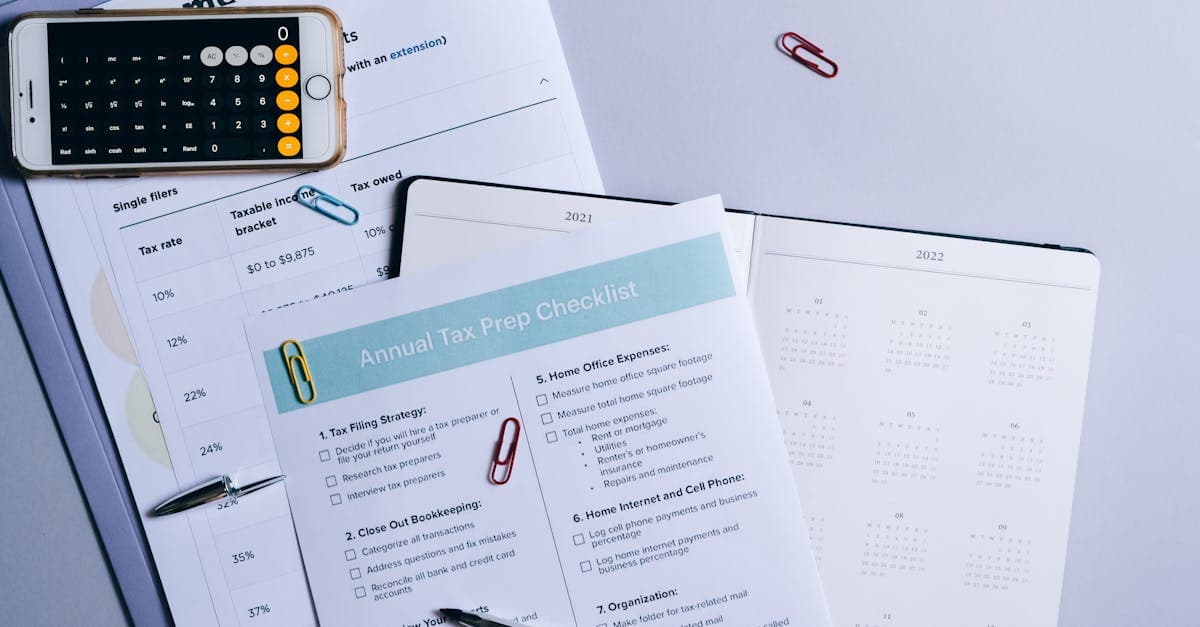
When Should You Get a Policy Checkup? A Complete Timing Guide
Your insurance needs change as your life changes. A policy checkup ensures your coverage keeps pace with new risks, assets, and responsibilities. This guide explains when and how to review your policies.
What Is Assignment of Benefits in Insurance? A Complete Guide
Assignment of benefits lets you transfer your insurance claim rights to a third party like a contractor. This guide explains how AOB works, when it helps, and when it can backfire.