What to Do Before Filing an Insurance Claim: A Complete Preparation Guide

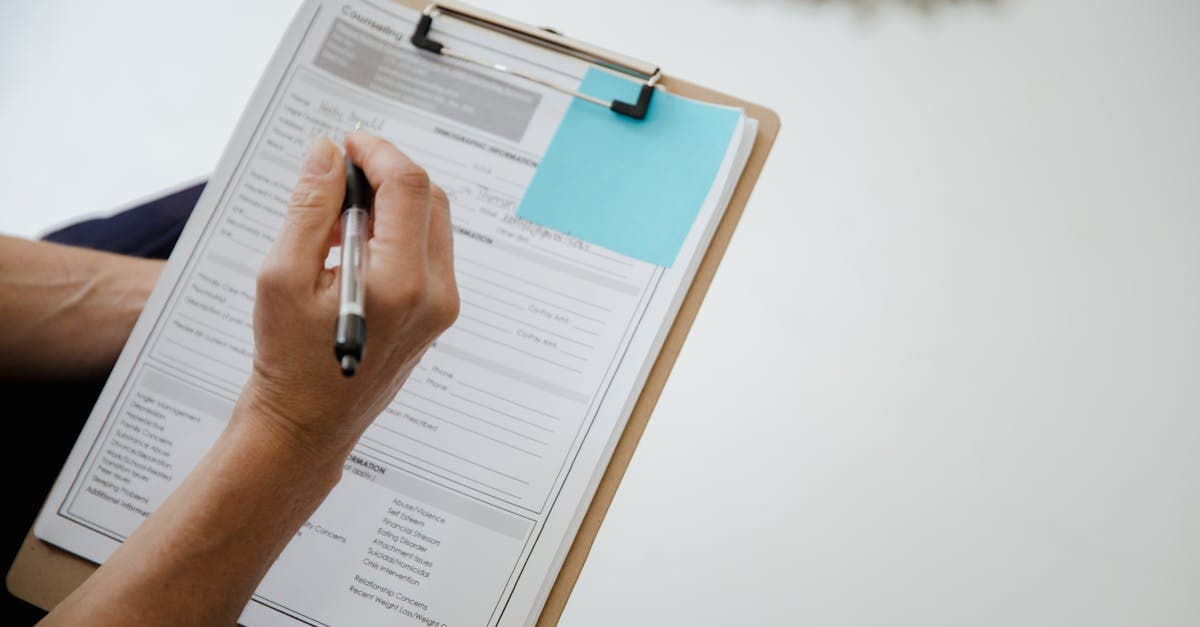
Let's walk through the steps you should take before filing an insurance claim — because what you do before that phone call can make or break your outcome. Proper pre-claim preparation is the detailed map you consult before setting out on a journey so you know every turn and avoid dead ends. It sets the foundation for a successful claim by ensuring you have the evidence, understanding, and organization needed to navigate the process effectively.
Most policyholders file insurance claims only a few times in their lives. Insurance companies process thousands of claims every day. This experience imbalance means the traveler who rushes into unknown territory without checking the route and ends up lost and out of options. Without thorough preparation, you risk leaving money on the table, having legitimate damage excluded, or triggering a denial that proper documentation could have prevented.
The preparation phase is where you gather your power as a policyholder. You review your coverage to understand what is and is not included. You document damage thoroughly so the adjuster sees exactly what happened. You calculate whether filing makes financial sense when you factor in your deductible and potential premium increases.
Every step you take before filing strengthens your position and increases the likelihood of a fair and timely settlement. Skipping these steps does not save time — it creates problems that slow down your claim, reduce your payout, and add stress to an already difficult situation.
How to Document Damage Thoroughly Before Filing
Here is the thing though — Thorough damage documentation is the detailed map you consult before setting out on a journey so you know every turn and avoid dead ends. The quality and completeness of your documentation directly determines how smoothly your claim proceeds and how accurately your settlement reflects your actual losses.
Photograph everything from multiple angles: Take wide shots showing the overall scope of damage, medium shots showing specific damaged areas, and close-up shots showing detail. Capture damage from at least three angles so the adjuster can understand the full extent without being there in person.
Create a video walkthrough: Walk through every affected area while narrating what you see. Video provides context that photos cannot — the spatial relationship between damaged areas, the extent of water or debris, and details that still photos might miss.
Document hidden and secondary damage: Look beyond the obvious damage for secondary effects. Water damage may have spread behind walls. Smoke from a fire may have affected distant rooms. Wind may have loosened shingles you cannot see from the ground. Document anything you find or suspect.
Include timestamps and context: Ensure your photos and videos have date and time stamps enabled. Take a photo of a newspaper or dated receipt alongside the damage to establish timing if timestamps are questioned.
Write a detailed damage description: Supplement photos with a written list of every damaged item and area. Include room locations, item descriptions, approximate ages, and estimated replacement costs. This written record reinforces your visual documentation.
Preserve damaged items: Do not throw away damaged belongings until your insurer approves disposal. Keep damaged items accessible for the adjuster to inspect. If items must be removed for safety or health reasons, photograph them thoroughly first and save samples if possible.
Getting Repair Estimates Before Filing Your Claim
Now, this is where it gets interesting. Independent repair estimates give you a realistic picture of your damage costs and provide valuable leverage when your insurer's adjuster produces their own estimate. Getting estimates before filing puts you in a stronger negotiating position from the start.
Get at least two estimates: Contact two or three licensed contractors for repair estimates. Multiple estimates establish a reasonable range for repair costs and demonstrate to your insurer that you have done your due diligence.
Choose reputable, licensed contractors: Use licensed, insured contractors with established reputations. Estimates from fly-by-night or unlicensed contractors carry less weight with adjusters. Ask for references and verify licensing before requesting estimates.
Request detailed, itemized estimates: A useful estimate breaks down costs by materials, labor, and specific repair tasks. A lump-sum estimate lacks the detail needed for meaningful comparison with your insurer's estimate. Request line-item breakdowns for every major repair component.
Document the estimating process: Save copies of all estimates and note the date, contractor name, and license number for each. If the contractor identifies damage you missed, have them show you and photograph the additional damage before they leave.
Use estimates for your filing decision: Your contractor estimates feed directly into the deductible calculation. If two contractors estimate $4,000 in damage and your deductible is $2,500, you are looking at a $1,500 claim payment — which may or may not justify filing after considering premium impacts.
Estimates as negotiating tools: If your insurer's adjuster estimates damage at $3,000 but your independent contractors estimated $5,000, your estimates provide the basis for a conversation about the discrepancy. Detailed estimates with line-item comparisons are particularly effective in these discussions.
Preparing Personal Property Documentation for Your Claim
Here is the thing though — Personal property claims — for damaged, destroyed, or stolen belongings — require detailed documentation that most policyholders find challenging to produce after a loss. Preparing this documentation before filing dramatically improves your recovery.
Create an itemized loss list: List every damaged or stolen item with a description, room location, approximate age, original purchase price, and current replacement cost. Be thorough — items you forget to list are items you will not be compensated for.
Understand replacement cost vs actual cash value: Replacement cost policies pay to replace items with new equivalents. Actual cash value policies deduct depreciation based on the item's age and condition. Knowing which coverage you have sets accurate expectations for your settlement.
Organize by category: Group items by category — electronics, furniture, clothing, kitchen items, tools, and so on. This organization helps you identify items you might otherwise forget and aligns with how adjusters typically evaluate personal property claims.
Document high-value items separately: Items above your policy's special limits — typically $1,500 to $2,500 for categories like jewelry, silverware, firearms, and electronics — may be subject to those caps unless they are specifically scheduled on your policy.
Use replacement cost research: Look up current prices for replacement items online. Documenting current replacement costs supports your claim valuation and gives you concrete numbers to discuss with the adjuster.
Include sentimental items carefully: While insurance does not compensate for sentimental value, items with both sentimental and monetary value — like inherited jewelry or antique furniture — should be documented with appraisals or fair market value research.
Gathering Receipts, Records, and Proof of Ownership
Here is the thing though — Your claim's personal property component depends on your ability to prove what you owned, what it was worth, and that the damage occurred to items that were actually yours. Receipts and records make this proof straightforward. Without them, you rely on memory and estimates that often leave money on the table.
Purchase receipts and credit card statements: Locate receipts for major purchases that were damaged. If physical receipts are unavailable, credit card and bank statements showing purchase dates and amounts serve as proof of ownership and value.
Warranty cards and registration documents: Product registrations, warranty cards, and manuals establish ownership and purchase dates. Many manufacturers maintain registration databases that can verify your purchase.
Appraisals and valuations: If you have had jewelry, art, antiques, or collectibles appraised, these documents establish value more convincingly than your own estimate. Scheduled items on your policy already have agreed values that simplify the claims process.
Photographs of belongings: Pre-loss photographs showing your belongings in your home establish both ownership and condition. Social media posts, real estate listing photos, and family photos that incidentally show your home's interior all serve as documentation.
Home improvement records: Permits, contractor invoices, and receipts for home improvements document the current value of your dwelling beyond its original construction. Kitchen remodels, bathroom upgrades, and finished basements should all be documented.
Digital records and serial numbers: Serial numbers for electronics establish specific ownership. Digital purchase histories from retailers like Amazon maintain records that you can access even after physical receipts are lost. Screen captures of purchase confirmations serve as backup documentation.
How Filing a Claim Affects Your Insurance Premiums
Now, this is where it gets interesting. Understanding the premium impact of filing a claim is essential to the pre-claim financial calculation. For many losses, the long-term cost of premium increases exceeds the claim payment, making the decision not to file the financially smart choice.
Premium increase ranges: Filing a homeowners claim typically increases premiums by 7 to 25 percent depending on the insurer, the type of claim, and your claims history. Some types of claims, like water damage and liability, tend to trigger higher increases than others.
Duration of premium surcharges: Claim-related premium increases typically last three to five years from the date of the claim. Some insurers apply surcharges for up to seven years. Over this period, cumulative premium increases can total thousands of dollars.
Multiple claims compound the impact: A second claim within three to five years of the first can trigger even larger premium increases. Some insurers may even non-renew your policy after multiple claims, forcing you to seek coverage in a more expensive market.
Claims history follows you: Your Comprehensive Loss Underwriting Exchange report — known as CLUE — records your claims history for seven years. When you switch insurers, your new company reviews this history and may adjust your rates accordingly.
The claims-free discount at risk: Many insurers offer claims-free or accident-free discounts that you lose when you file a claim. Losing a 10 to 20 percent claims-free discount compounds the surcharge impact.
Calculating total premium impact: Estimate your annual premium increase, multiply by the number of surcharge years, and add any lost claims-free discount. Compare this total to your net claim payment after deductible. This comparison reveals whether filing is financially beneficial.
Gathering Receipts, Records, and Proof of Ownership
Here is the thing though — Your claim's personal property component depends on your ability to prove what you owned, what it was worth, and that the damage occurred to items that were actually yours. Receipts and records make this proof straightforward. Without them, you rely on memory and estimates that often leave money on the table.
Purchase receipts and credit card statements: Locate receipts for major purchases that were damaged. If physical receipts are unavailable, credit card and bank statements showing purchase dates and amounts serve as proof of ownership and value.
Warranty cards and registration documents: Product registrations, warranty cards, and manuals establish ownership and purchase dates. Many manufacturers maintain registration databases that can verify your purchase.
Appraisals and valuations: If you have had jewelry, art, antiques, or collectibles appraised, these documents establish value more convincingly than your own estimate. Scheduled items on your policy already have agreed values that simplify the claims process.
Photographs of belongings: Pre-loss photographs showing your belongings in your home establish both ownership and condition. Social media posts, real estate listing photos, and family photos that incidentally show your home's interior all serve as documentation.
Home improvement records: Permits, contractor invoices, and receipts for home improvements document the current value of your dwelling beyond its original construction. Kitchen remodels, bathroom upgrades, and finished basements should all be documented.
Digital records and serial numbers: Serial numbers for electronics establish specific ownership. Digital purchase histories from retailers like Amazon maintain records that you can access even after physical receipts are lost. Screen captures of purchase confirmations serve as backup documentation.
Take These Steps Before Your Next Insurance Claim
The difference between a smooth, fully compensated insurance claim and a frustrating, underpaid one usually comes down to preparation. Here is your action plan.
First, review your insurance policy today — before any damage occurs. Know your deductibles, coverage limits, exclusions, and responsibilities. Store a copy of your declarations page in a location you can access even if your home is damaged.
Second, create a home inventory with photos, receipts, and valuations for your belongings. Update it annually. Store copies in the cloud or offsite where they survive whatever event creates your claim.
Third, when damage occurs, document everything before touching anything. Photograph, video, and write down every detail of the damage before making any repairs beyond emergency mitigation.
Pre-claim preparation is charting a clear course through the claims process by preparing every document and detail before you take the first step. The policyholders who invest a few hours in preparation consistently achieve better outcomes than those who rush to file. Your insurance policy is a valuable financial tool — use it effectively by entering the claims process informed, documented, and ready.
Continue reading

How to Compare Insurance Quotes the Right Way: A Complete Guide
Comparing insurance quotes on price alone is a common and costly mistake. This guide walks through every element you should evaluate to find the policy that delivers the best value for your specific situation.
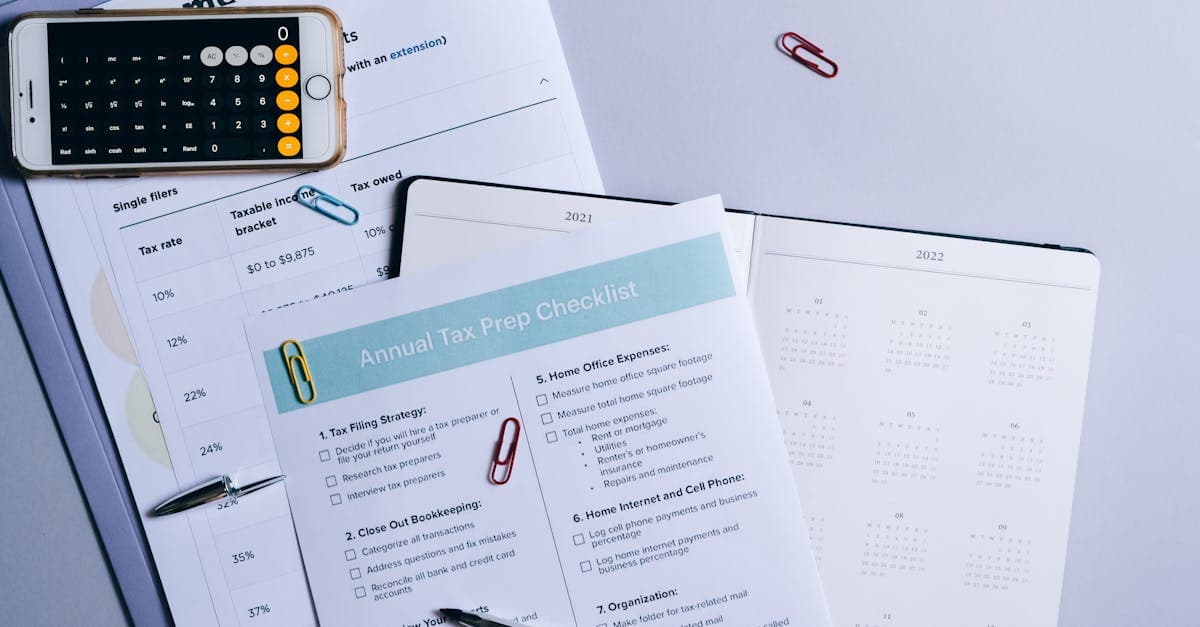
When Should You Get a Policy Checkup? A Complete Timing Guide
Your insurance needs change as your life changes. A policy checkup ensures your coverage keeps pace with new risks, assets, and responsibilities. This guide explains when and how to review your policies.
What Is Assignment of Benefits in Insurance? A Complete Guide
Assignment of benefits lets you transfer your insurance claim rights to a third party like a contractor. This guide explains how AOB works, when it helps, and when it can backfire.