What Is Flood Insurance? A Complete Guide for Homeowners

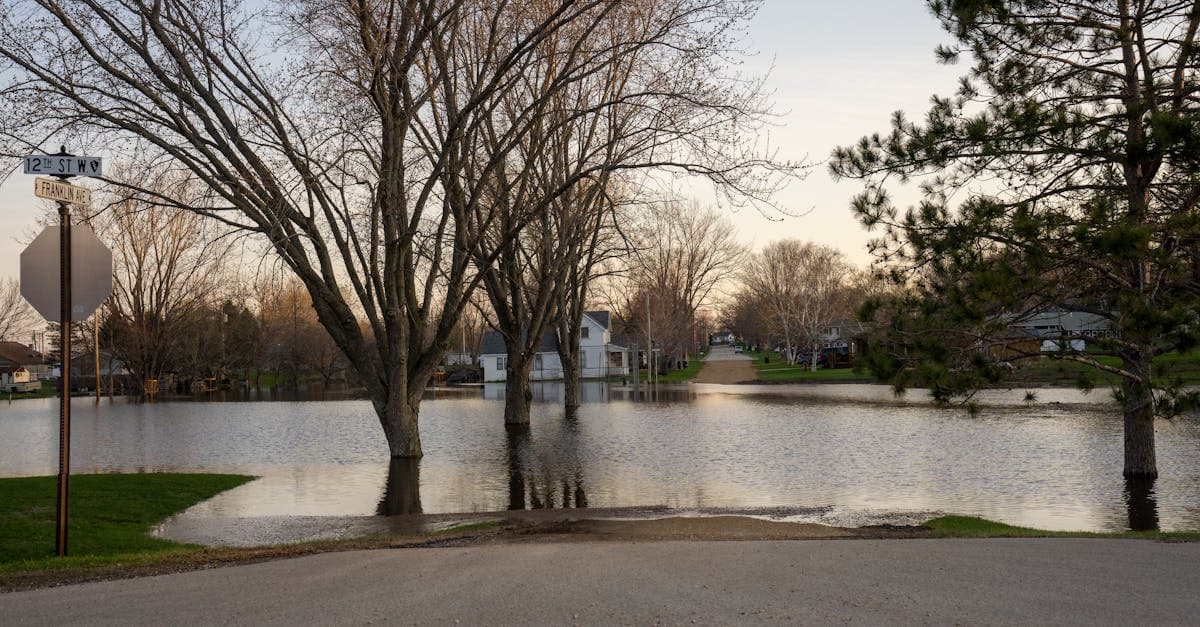
Let's talk about one of the most important and most misunderstood types of insurance in America — flood insurance, a separate policy that covers the one major natural disaster your homeowners insurance specifically excludes. Flood insurance is the navigational chart that guides homeowners through the rising waters of flood risk by ensuring their property and finances stay afloat when floodwaters reach their doorstep. It is a separate insurance policy that pays for damage to your home and personal property caused by flooding — rising water from storms, overflowing rivers, coastal storm surge, heavy rainfall, and other water events.
Your homeowners insurance policy explicitly excludes flood damage. This exclusion is not a loophole or an oversight — it is a deliberate policy provision that has existed for decades. No matter how comprehensive your homeowners policy appears, it provides zero coverage for damage caused by rising water. Fire, wind, theft, and liability are covered. Flooding is not.
This coverage gap creates the uncharted waterway that catches millions of homeowners off guard when they discover their standard homeowners policy provides zero protection against the most common and costly natural disaster in America. When a flood damages your home, you face repair costs that average $25,000 or more with no insurance payout unless you purchased a separate flood insurance policy. The cost of replacing flooring, drywall, electrical systems, appliances, and personal property after even a minor flood event is staggering.
Flood insurance exists to fill this critical gap. The National Flood Insurance Program, created by Congress in 1968, provides standardized flood coverage to homeowners in participating communities across the country. Private flood insurance carriers also offer policies that may provide broader coverage or higher limits than the NFIP. Together, these options give every homeowner access to protection against America's most common and costly natural disaster.
How Flood Insurance Works: The Basics Every Homeowner Must Understand
Here is the thing though — Understanding how flood insurance works is mapping your flood insurance coverage to your actual flood exposure so every dollar of premium purchases real protection that keeps your financial ship steady when floodwaters rise. The structure is straightforward but differs significantly from your homeowners insurance in several important ways.
Separate policy requirement: Flood insurance is a standalone policy, not a rider or endorsement on your homeowners insurance. You purchase it separately, pay a separate premium, and file separate claims. Your homeowners insurer and your flood insurer may be different companies.
Two coverage types: Flood insurance provides two distinct coverages. Building coverage pays to repair or replace your home's structure — walls, floors, foundation, electrical and plumbing systems, built-in appliances, and permanently installed features. Contents coverage pays to replace personal property damaged by flooding — furniture, electronics, clothing, and other belongings.
NFIP coverage limits: Under the National Flood Insurance Program, residential building coverage maxes out at $250,000 and contents coverage at $100,000. If your home's replacement cost exceeds $250,000, you should consider excess flood insurance from a private carrier to fill the gap.
Deductible structure: Like other insurance policies, flood insurance has a deductible you must pay before coverage kicks in. NFIP deductibles range from $1,000 to $10,000 for building coverage and $1,000 to $10,000 for contents coverage. Higher deductibles reduce your premium.
The 30-day waiting period: Most new flood insurance policies have a 30-day waiting period before coverage takes effect. This prevents homeowners from purchasing coverage only when a flood is imminent. The waiting period does not apply when flood insurance is purchased in connection with a new mortgage closing.
The 30-Day Waiting Period: Why You Cannot Buy Flood Insurance at the Last Minute
Now, this is where it gets interesting. One of the most important rules in flood insurance is the 30-day waiting period. This rule catches many homeowners off guard and represents the uncharted waterway that catches millions of homeowners off guard when they discover their standard homeowners policy provides zero protection against the most common and costly natural disaster in America if you wait too long to purchase coverage.
The standard waiting period: New NFIP flood insurance policies have a 30-day waiting period from the date of purchase before coverage takes effect. If you buy a policy on June 1, coverage begins on July 1. Any flooding that occurs during the waiting period is not covered.
Why the waiting period exists: Without a waiting period, homeowners would only purchase flood insurance when a storm was approaching or flooding was imminent. This adverse selection would make the program financially unsustainable because only properties about to flood would be insured.
Exceptions to the waiting period: The 30-day waiting period does not apply when flood insurance is purchased in connection with a new mortgage origination, when you increase coverage on an existing policy, or when a map revision changes your flood zone to a higher-risk designation requiring coverage. In these cases, coverage can take effect immediately.
Private flood insurance waiting periods: Private flood insurers set their own waiting periods, which may be shorter or longer than the NFIP's 30 days. Some private carriers offer 14-day or 10-day waiting periods, providing faster access to coverage after purchase.
The practical implication: You must purchase flood insurance before you need it — well before hurricane season begins, before spring flooding season, and before any weather forecast suggests flooding in your area. The time to buy flood insurance is when the sun is shining, not when the storm is approaching.
Hurricane season preparation: Hurricane season runs June 1 through November 30. To have coverage in place by June 1, you must purchase your flood policy by May 1 at the latest. Waiting until hurricane forecasts become alarming means waiting too long — the 30-day clock starts ticking from your purchase date.
The Private Flood Insurance Market: Expanding Options for Homeowners
Here is the thing though — The private flood insurance market has grown significantly in recent years, offering homeowners alternatives to the NFIP with potentially better coverage, competitive pricing, and more flexible terms.
Market growth: Private flood insurance has expanded from a niche product to a meaningful market segment. Several dozen carriers now offer private flood policies, driven by improved flood modeling technology and the perception that NFIP pricing creates opportunities for competitive alternatives.
Coverage advantages: Private flood policies may offer building coverage limits above $250,000, contents replacement cost coverage instead of actual cash value, additional living expenses coverage during displacement, broader basement coverage, and coverage for pools, landscaping, and detached structures that the NFIP excludes.
Pricing competition: Private carriers use proprietary flood models that may price risk differently than the NFIP. For some properties — particularly those with lower risk profiles — private insurance offers lower premiums than NFIP policies. For higher-risk properties, NFIP subsidized rates may still be lower.
Shorter waiting periods: Some private carriers offer waiting periods shorter than the NFIP's 30 days — as short as 10 or 14 days. This provides slightly faster access to coverage, though purchasing well before flood season remains the best practice.
Lender acceptance: Federal law requires lenders to accept private flood insurance that meets specific criteria. However, some lenders remain more comfortable with NFIP policies. If you choose private flood insurance, confirm that your lender will accept the policy before purchasing.
Financial stability considerations: Unlike the NFIP, private carriers are not backed by the federal government. Their ability to pay claims depends on their financial reserves and reinsurance arrangements. Check the carrier's financial rating from AM Best or similar agencies before purchasing a private flood policy.
Flood Insurance and Mortgage Requirements: When Coverage Is Mandatory
Now, this is where it gets interesting. Federal law requires flood insurance for certain properties with federally backed mortgages. Understanding these requirements helps you comply with your lender's obligations and avoid costly force-placed coverage.
The mandatory purchase requirement: The Flood Disaster Protection Act of 1973 requires flood insurance for properties in Special Flood Hazard Areas (high-risk zones A and V) that have mortgages from federally regulated or insured lenders. This includes loans backed by Fannie Mae, Freddie Mac, FHA, VA, and USDA.
Coverage amount requirements: Your lender requires flood coverage equal to the lesser of the outstanding mortgage balance, the maximum available under the NFIP ($250,000 for residential), or the replacement cost of the building. The lender verifies coverage at closing and at each renewal.
Force-placed insurance: If you fail to maintain required flood insurance, your lender will purchase coverage on your behalf — called force-placed insurance. Force-placed flood policies are significantly more expensive than standard policies and provide minimal coverage. The cost is added to your mortgage payment.
Escrow requirements: The Biggert-Waters Act requires lenders to escrow flood insurance premiums for loans made, increased, extended, or renewed after January 2016 in high-risk flood zones. Your monthly mortgage payment includes the flood insurance premium just like property taxes and homeowners insurance.
Properties outside high-risk zones: If your property is in a moderate or low-risk zone, your lender generally does not require flood insurance. However, flooding in these zones is common, and your lender may recommend coverage even when it is not mandatory.
Refinancing and flood insurance: When refinancing, your new lender will verify your property's flood zone. If your property is in a high-risk zone, you must have flood insurance in place before closing. If you currently have a flood policy, it can be transferred to satisfy the new lender's requirement without triggering a new waiting period.
Flood Insurance vs Federal Disaster Assistance: Why Insurance Is Superior
Here is the thing though — Many homeowners assume that federal disaster assistance will cover their flood losses if they do not have flood insurance. This assumption is one of the most costly mistakes a homeowner can make. Understanding the difference between insurance and disaster aid is critical.
FEMA grants are limited: The average FEMA disaster grant is approximately $5,000 per household. The maximum individual assistance grant is around $42,500, but most recipients receive far less. Compare this to average flood insurance claims of $52,000. The gap between disaster aid and actual flood damage is enormous.
Disaster loans must be repaid: The primary form of federal flood assistance beyond small grants is SBA disaster loans. These are loans — not gifts — with interest rates around 2 to 4 percent and repayment terms of up to 30 years. A $50,000 SBA loan to repair flood damage adds a second mortgage payment to your household budget.
Disaster declarations are not guaranteed: FEMA assistance requires a presidential disaster declaration. Not all floods trigger a declaration. If your area floods without a federal declaration, no FEMA assistance is available. Flood insurance pays regardless of whether a disaster is declared.
Insurance pays more, faster: Flood insurance claims are processed independently of disaster declarations. Your adjuster inspects the damage, you file your proof of loss, and the insurer pays your claim. The process typically takes weeks, not the months that federal disaster assistance often requires.
The financial comparison: At $700 per year, a homeowner pays $21,000 in flood insurance premiums over 30 years and has access to $250,000 in building coverage and $100,000 in contents coverage for any flood event. Without insurance, they receive $5,000 from FEMA if a disaster is declared — or nothing if it is not — plus the option to take on tens of thousands of dollars in disaster loan debt.
The clear conclusion: Flood insurance is dramatically superior to federal disaster assistance in every measurable way — coverage amount, payment speed, reliability, and total financial impact. Disaster assistance is a last resort, not a substitute for insurance.
How Much Does Flood Insurance Cost? Understanding Premium Factors
Here is the thing though — Flood insurance premiums vary significantly based on multiple factors specific to your property and coverage selections. Understanding these factors helps you anticipate costs and find ways to reduce your premium.
Flood zone designation: Your flood zone is the primary driver of your premium. High-risk zones like AE and VE carry the highest premiums. Moderate-risk zones pay moderate premiums. Low-risk Zone X properties qualify for the lowest rates, often through Preferred Risk Policies.
Building elevation: Your home's elevation relative to the Base Flood Elevation is a critical factor. Homes built above the BFE pay significantly less than homes at or below the BFE. An elevation certificate documents this measurement and can substantially affect your premium.
Construction characteristics: Your home's foundation type, number of floors, building age, and presence of a basement or enclosure all affect your premium. Homes on elevated foundations like pilings or piers generally pay less than slab-on-grade homes in flood zones.
Coverage amounts and deductibles: Higher coverage limits increase your premium while higher deductibles decrease it. Choosing the right balance between coverage and deductible depends on your property value, financial reserves, and risk tolerance.
Risk Rating 2.0 impact: FEMA's updated pricing methodology considers property-specific factors like distance to water, types of flooding, and historical flood frequency. Some properties see premium increases while others benefit from decreases under the new system.
Average premium ranges: NFIP premiums average approximately $700 per year nationally. Preferred Risk Policies in low-risk zones may cost $129 to $400. Standard-rated policies in high-risk zones typically range from $800 to $3,000 or more. Private flood insurance may offer competitive alternatives at any risk level.
Take Action on Flood Insurance Today
Understanding flood insurance is only valuable if you act on it. Here is what to do right now.
First, check your flood zone at FEMA's Flood Map Service Center. Enter your address and see whether you are in a high-risk, moderate-risk, or low-risk zone. Your flood zone affects your insurance options, requirements, and pricing.
Second, contact your insurance agent and request a flood insurance quote — both from the NFIP and from private carriers if available in your market. Compare coverage limits, deductibles, exclusions, and premiums.
Third, purchase flood insurance now — not when a storm is approaching. Remember the 30-day waiting period. Coverage purchased today does not take effect for a month, so every day you wait is a day closer to a potential flood with no protection.
Taking action on flood insurance is mapping your flood insurance coverage to your actual flood exposure so every dollar of premium purchases real protection that keeps your financial ship steady when floodwaters rise. The homeowners who recover from floods are those who had coverage in place before the water rose. Do not become another statistic of uninsured flood loss.
Continue reading

How to Compare Insurance Quotes the Right Way: A Complete Guide
Comparing insurance quotes on price alone is a common and costly mistake. This guide walks through every element you should evaluate to find the policy that delivers the best value for your specific situation.

When Should You Get a Policy Checkup? A Complete Timing Guide
Your insurance needs change as your life changes. A policy checkup ensures your coverage keeps pace with new risks, assets, and responsibilities. This guide explains when and how to review your policies.

What Is Assignment of Benefits in Insurance? A Complete Guide
Assignment of benefits lets you transfer your insurance claim rights to a third party like a contractor. This guide explains how AOB works, when it helps, and when it can backfire.