Is Uninsured Motorist Coverage Worth It? A Cost-Benefit Analysis

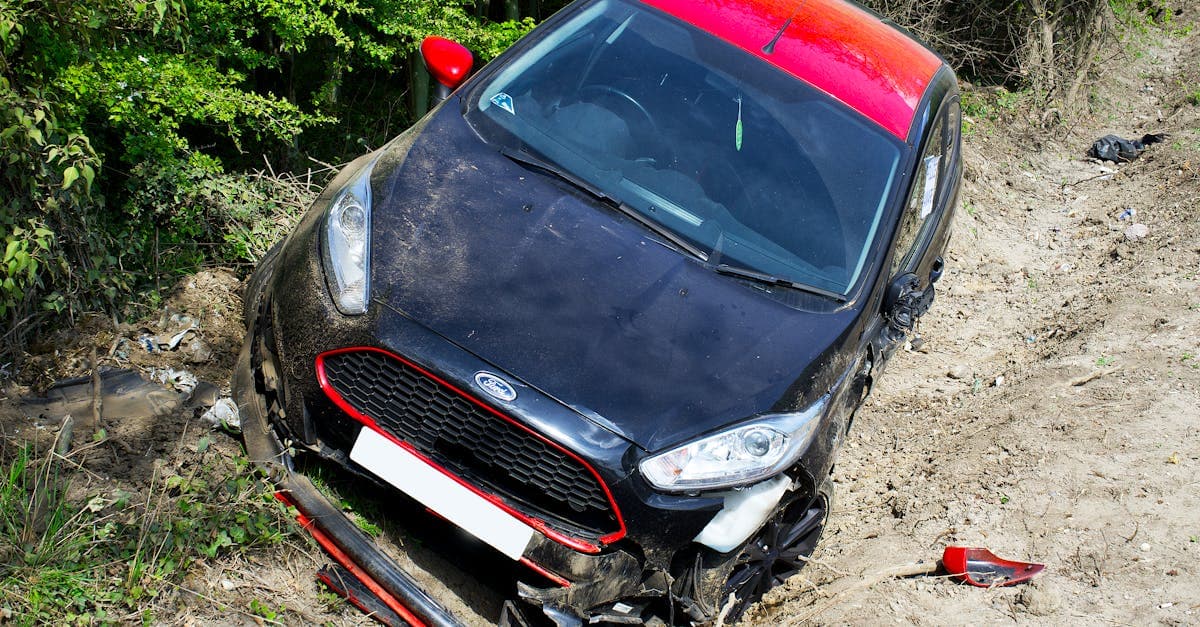
Let's have an honest conversation about whether uninsured motorist coverage is actually worth the money you pay for it. At its core, uninsured motorist coverage is the compass that guides you through the financial aftermath when an uninsured driver derails your journey. The question of whether it is worth the cost comes down to a straightforward comparison between what you pay and what you could lose.
The annual premium for UM coverage typically ranges from fifty to two hundred dollars depending on your state, your limits, and your personal risk factors. The potential loss from an uninsured motorist accident includes medical bills that can reach tens of thousands of dollars, lost wages during recovery, pain and suffering that can exceed the medical costs, and vehicle damage that may total your car.
Consider the unmarked hazard that waits at every intersection where an uninsured driver might appear. Every time you drive, you share the road with millions of drivers who carry no insurance. When one of them causes an accident, the financial burden falls entirely on the victim unless that victim has UM coverage. Without it, you are left to pursue an uninsured driver who almost certainly lacks the assets to pay a judgment.
The cost-benefit ratio of UM coverage is unlike almost any other insurance product. You pay a modest premium for protection against a statistically significant risk with potentially devastating financial consequences. This combination of low cost, high potential benefit, and meaningful probability makes UM coverage one of the clearest value propositions in personal insurance.
The Cost-Benefit Math of UM Coverage
Here is the thing though — Understanding whether UM coverage is worth it starts with charting the true worth of protection against drivers who navigate without any coverage. The calculation is straightforward: compare what you pay in premiums to what you could receive in claim benefits, adjusted for the probability of needing the coverage.
Annual premium cost: Most drivers pay between fifty and two hundred dollars per year for UM coverage, depending on state, limits, and personal factors. That works out to roughly fourteen to fifty-five cents per day. Over a typical driving career of forty years, total UM premiums amount to two thousand to eight thousand dollars.
Potential claim value: The average UM bodily injury claim exceeds twenty thousand dollars. Serious injury claims — broken bones, head injuries, spinal damage — routinely reach fifty thousand to two hundred thousand dollars. Catastrophic injuries with permanent disability can produce claims exceeding five hundred thousand dollars.
Risk probability: With 12.6 percent of drivers uninsured nationally, the probability of encountering an uninsured driver in any given accident is roughly one in eight. Over a forty-year driving career, the cumulative probability of at least one accident involving an uninsured driver is substantial.
The math: Even using conservative estimates — a five percent lifetime probability of needing UM coverage and an average claim of thirty thousand dollars — the expected value of UM coverage is fifteen hundred dollars. Compare that to the worst-case lifetime premium of eight thousand dollars, and the raw expected value appears negative. But insurance is not about expected value — it is about protecting against catastrophic loss. The same math would argue against buying homeowners insurance, yet no rational person goes without it.
Is Stacked UM Coverage Worth the Extra Premium?
Now, this is where it gets interesting. In states that allow stacking, drivers with multiple vehicles can multiply their UM limits for a modest additional cost. Understanding whether stacked coverage is worth the extra premium requires examining charting the true worth of protection against drivers who navigate without any coverage in your specific situation.
How stacking multiplies protection: With unstacked coverage at one hundred thousand dollars per person, you have one hundred thousand in UM protection regardless of how many vehicles are on your policy. With stacking, each vehicle multiplies the limit — three vehicles give you three hundred thousand in protection.
The cost of stacking: Stacked UM coverage typically costs fifteen to forty percent more per vehicle than unstacked coverage. On a three-vehicle policy, this might mean paying four hundred fifty dollars per year instead of three hundred for a three-fold increase in protection. The incremental cost per dollar of additional coverage is remarkably low.
When stacking is worth it: Stacking is most valuable for families with multiple vehicles and significant assets to protect. If your household income exceeds fifty thousand dollars and you have two or more vehicles, the additional protection from stacking can prevent a single serious accident from devastating your finances.
When stacking is less critical: If you have only one vehicle on your policy, stacking is not available. If your assets and income are limited, higher unstacked limits might provide adequate protection at a lower total cost. And in states that do not allow stacking, the question is moot.
Stacking with umbrella UM: Some drivers combine stacked auto UM coverage with umbrella UM coverage for maximum protection. This layered approach provides the broadest possible coverage against uninsured motorists and is especially valuable for high-net-worth households.
Is UM Coverage Worth It for Young Drivers?
Here is the thing though — Young drivers aged sixteen to twenty-five face the highest accident rates of any age group. This elevated risk, combined with typically limited financial resources, makes UM coverage especially important for this demographic.
Higher accident frequency: Drivers under twenty-five are involved in accidents at roughly twice the rate of older drivers. More accidents mean more opportunities to encounter an uninsured motorist. The elevated frequency directly increases the probability of needing UM coverage.
Greater injury vulnerability: Young drivers are more likely to engage in risky driving behaviors and less experienced at avoiding accidents. When an uninsured driver causes an accident, younger drivers may suffer more severe injuries due to the circumstances of the collision.
Limited financial reserves: Most young drivers have minimal savings, limited or no disability insurance, and entry-level incomes that cannot absorb significant unexpected expenses. A twenty-thousand-dollar loss from an uninsured motorist accident can be financially catastrophic for a young adult.
Career-stage income protection: Young drivers are at the beginning of their earning potential. An injury from an uninsured driver that causes permanent disability or extended recovery can reduce lifetime earnings by hundreds of thousands of dollars. UM coverage compensates for lost wages and diminished earning capacity, protecting long-term financial trajectory.
Premium cost for young drivers: UM premiums for young drivers are slightly higher than average due to elevated risk, but they remain affordable — typically seventy-five to two hundred fifty dollars per year. Relative to the financial protection provided, this cost is negligible for a demographic that is most likely to need the coverage.
Is UM Coverage Worth It for Motorcyclists?
Here is the thing though — Motorcyclists face elevated risks from uninsured drivers due to the inherent vulnerability of riding without the protective structure of a car. The value calculation for motorcycle UM coverage is even more compelling than for automobile drivers.
Injury severity difference: Motorcyclists involved in accidents with four-wheeled vehicles suffer more severe injuries on average — broken bones, road rash, head injuries, and spinal cord damage are common. Medical costs for motorcycle accident injuries are typically two to five times higher than comparable car accident injuries.
Higher at-risk exposure: Motorcyclists are harder for other drivers to see, increasing the probability of being hit. When the other driver is uninsured, the motorcyclist faces the combination of high injury severity and zero compensation from the at-fault party.
Medical cost reality: A serious motorcycle accident with an uninsured driver can produce medical bills exceeding one hundred thousand dollars. Without UM coverage, the motorcyclist's health insurance bears the medical cost burden, but lost wages, pain and suffering, and the motorcycle itself are uncompensated.
Motorcycle UM premiums: UM coverage on motorcycle policies is typically affordable, often less than two hundred dollars per year. Given the elevated injury risk and higher average claim costs, motorcycle UM coverage provides exceptional value per premium dollar.
Riding gear does not replace UM: Even the best protective gear cannot prevent all injuries in a collision with a car. And no amount of gear compensates for the financial losses that follow an uninsured motorist accident. UM coverage addresses the financial dimension that protective equipment cannot.
When UM Coverage Might Not Be Worth It
Here is the thing though — Intellectual honesty requires acknowledging that UM coverage is not universally necessary. While it is worth it for the vast majority of drivers, a small number of situations exist where declining it could be rational.
Very limited driving: If you drive fewer than one thousand miles per year and your vehicle spends most of its time parked, your exposure to uninsured motorists is minimal. However, the premium is also low for limited-use vehicles, so the savings from declining are small.
Exceptional other coverage: If you have comprehensive health insurance with low out-of-pocket maximums, long-term disability insurance that replaces most of your income, substantial liquid savings exceeding one hundred thousand dollars, and collision coverage on your vehicle, you may be able to self-insure the risks UM coverage addresses. Few people meet all of these conditions.
No assets to protect: If you have no savings, no property, and no income to protect, the financial impact of an uninsured motorist accident is limited to medical bills that health insurance or Medicaid may cover. This situation applies to very few drivers and changes as soon as financial circumstances improve.
Mandatory coverage offset: In states where PIP or MedPay is mandatory and provides relatively high limits, the overlap with UM medical coverage reduces the additional value of UM. However, UM still covers pain and suffering and lost wages beyond what PIP provides.
The caution: Even in these scenarios, the premium cost of UM coverage is so low that most financial advisors still recommend carrying it. The savings from declining are typically less than fifteen dollars per month — a marginal savings that provides no meaningful budget relief while creating potentially significant exposure.
Is UM Coverage Worth It for Your Family?
Here is the thing though — Families face compounded financial risks from uninsured driver accidents because multiple family members depend on shared financial resources. When evaluating whether UM coverage is worth it, families should consider the broader impact on household stability.
Protecting the primary earner: If the primary breadwinner is injured by an uninsured driver and cannot work, the entire family's financial foundation is threatened. UM coverage pays lost wages and pain and suffering, maintaining income flow during recovery. Without it, the family must rely on savings, disability insurance if available, and reduced living standards.
Protecting passengers: UM coverage extends to every passenger in your vehicle. When you drive your children, spouse, or elderly parents, your UM coverage protects all of them. A family of four in a vehicle struck by an uninsured driver could generate four separate UM claims under one policy.
Household member coverage: Your UM policy typically covers resident family members even when they are in other vehicles, walking, or cycling. This means your teenager riding a bicycle or your spouse walking to the grocery store has UM protection through your auto policy.
Financial stability calculation: Families typically have higher fixed expenses — mortgage payments, child care, school costs, car payments — that continue regardless of an accident. UM coverage prevents an uninsured driver accident from cascading into mortgage default, credit card debt, or depleted college savings.
The family premium perspective: The annual UM premium of one hundred to two hundred dollars protects the entire household. Divided among family members, the per-person cost is negligible. No other insurance product provides this breadth of family protection at this price point.
Take Action: Verify Your UM Coverage Today
The evidence is clear — uninsured motorist coverage is worth the premium for virtually every driver. The cost is minimal, the protection is substantial, and the risk it addresses is statistically real. Now it is time to act.
First, check your auto insurance declarations page. Confirm whether you have UM coverage and note your limits. If you rejected UM coverage at some point, contact your insurer today to add it back. The change typically takes effect immediately.
Second, evaluate your UM limits. They should ideally match your bodily injury liability limits. If your state allows stacking and you have multiple vehicles, compare stacked and unstacked costs to find the best value.
Third, consider your overall protection. UM coverage works best alongside adequate health insurance, collision coverage, and MedPay or PIP. Gaps in complementary coverages reduce the overall effectiveness of your financial safety net.
The question of whether UM coverage is worth it is charting the true worth of protection against drivers who navigate without any coverage. For the price of a few coffees per month, you gain protection against one of the most common and financially devastating risks on the road. That is a trade worth making every single time.
Continue reading

How to Compare Insurance Quotes the Right Way: A Complete Guide
Comparing insurance quotes on price alone is a common and costly mistake. This guide walks through every element you should evaluate to find the policy that delivers the best value for your specific situation.

When Should You Get a Policy Checkup? A Complete Timing Guide
Your insurance needs change as your life changes. A policy checkup ensures your coverage keeps pace with new risks, assets, and responsibilities. This guide explains when and how to review your policies.

What Is Assignment of Benefits in Insurance? A Complete Guide
Assignment of benefits lets you transfer your insurance claim rights to a third party like a contractor. This guide explains how AOB works, when it helps, and when it can backfire.