Is Flood Insurance Required in Florida? A Complete Guide for Homeowners

Let's talk about one of the most important questions for Florida homeowners — whether flood insurance is required for your property, and why the answer matters even when it is not. Flood insurance in Florida is the navigational chart that keeps Florida homeowners from sailing blindly into flood exposure without the required financial protection. It provides the financial protection that standard homeowners insurance explicitly excludes — coverage for damage caused by rising water, storm surge, heavy rainfall runoff, and overflowing waterways.
The requirement question has a layered answer. Federal law mandates flood insurance for properties in FEMA-designated Special Flood Hazard Areas when those properties have federally backed mortgages. This means the requirement depends on two factors: where your property sits on the FEMA flood map and how your property is financed.
But the requirement question misses the larger point, which is the uncharted waters that swallow homes and savings when Florida residents assume flood insurance is optional in a state surrounded by water. Florida is the flattest state in the nation, surrounded by water on three sides, and subject to hurricanes, tropical storms, and intense rainfall that can produce flooding virtually anywhere. Over 25 percent of all NFIP flood claims nationally come from properties outside high-risk zones.
Whether flood insurance is legally required for your Florida property or not, understanding the requirement framework helps you make an informed decision about one of the most important coverage choices a Florida homeowner faces.
The Federal Flood Insurance Mandate in Florida
Here is the thing though — The foundation of flood insurance requirements in Florida is federal law, specifically the National Flood Insurance Act of 1968 and the Flood Disaster Protection Act of 1973. These laws created the framework that the navigational chart that keeps Florida homeowners from sailing blindly into flood exposure without the required financial protection.
Who is covered by the mandate: Any property in a FEMA-designated Special Flood Hazard Area with a mortgage from a federally regulated or insured lender must carry flood insurance. This includes FHA loans, VA loans, USDA loans, and conventional loans sold to Fannie Mae or Freddie Mac — which covers the vast majority of residential mortgages in Florida.
What triggers the requirement: Two conditions must be met simultaneously. First, the property must be located in a Special Flood Hazard Area as shown on FEMA's Flood Insurance Rate Map. Second, the property must be secured by a loan from a federally regulated or federally insured financial institution. If either condition is absent, the federal mandate does not apply.
Coverage amount required: Federal law requires flood insurance coverage at least equal to the lesser of the outstanding mortgage balance or the maximum amount available under the NFIP — currently $250,000 for residential structures. Your lender may require more, but the federal minimum is the lesser of these two amounts.
Duration of the requirement: The flood insurance requirement lasts for the entire term of the mortgage. It cannot be waived or removed while the federally backed loan is outstanding, unless the property is officially removed from the Special Flood Hazard Area through a FEMA map revision.
Enforcement mechanism: Lenders are required by federal banking regulators to verify flood insurance at closing and monitor it throughout the loan. If a homeowner fails to maintain required coverage, the lender must force-place flood insurance — a more expensive policy that protects the lender's interest — and charge the cost to the borrower.
Flood Insurance Requirements for Florida Condos, Townhouses, and Renters
Here is the thing though — Florida's large condo and rental markets create unique flood insurance questions. The requirements differ based on property type, ownership structure, and the nature of the mortgage.
Condo association master policies: In Florida flood zones, condo associations are expected to carry flood insurance on the building structure through the NFIP's Residential Condominium Building Association Policy. This master policy covers the building's common elements and structural components but does not cover individual unit improvements or personal property.
Individual condo owner coverage: Even when the association carries a master flood policy, individual Florida condo owners in flood zones need their own NFIP dwelling policy. This covers unit improvements — upgraded flooring, custom cabinetry, built-in fixtures — and personal property up to NFIP limits. Lenders may require individual coverage as a condition of the unit mortgage.
Townhouse considerations: Whether a townhouse in Florida is treated as a single-family home or a condo for flood insurance purposes depends on the ownership structure and declaration of condominium. Townhouses with individual fee-simple ownership are typically insured as single-family homes under the NFIP Standard Flood Insurance Policy.
Renters and flood insurance: Renters in Florida are not required to carry flood insurance because they do not own the structure and typically do not have a mortgage triggering the mandate. However, a landlord's flood policy does not cover the renter's personal property. NFIP contents-only policies are available for renters and are especially important in flood-prone Florida.
Landlord obligations: Florida landlords with federally backed mortgages on rental properties in flood zones must carry flood insurance on the building structure. The requirement follows the mortgage and property, not the occupancy type. Landlords should also consider whether their flood policy covers rental income loss during flood repairs.
Flood Insurance Requirements Across Florida's Counties
Now, this is where it gets interesting. Flood insurance requirements in Florida vary significantly from county to county based on geography, coastal exposure, and the proportion of properties in flood zones. Understanding your county's specific flood landscape helps you evaluate your requirements and risk.
South Florida (Miami-Dade, Broward, Palm Beach): These densely populated coastal counties have extensive flood zones driven by ocean proximity, low elevation, and complex canal systems. A significant percentage of properties in these counties fall in mandatory zones. Miami-Dade alone has hundreds of thousands of properties in Special Flood Hazard Areas.
Tampa Bay area (Hillsborough, Pinellas, Pasco): The Tampa Bay region faces significant storm surge risk along the bay shoreline. Pinellas County, as a peninsula within a peninsula, is particularly exposed. Inland areas face freshwater flooding from rivers and poor drainage.
Central Florida (Orange, Osceola, Seminole): Central Florida's flood risk centers around lakes, rivers, and wetlands. The St. Johns River basin creates extensive flood zones through multiple counties. Heavy rainfall events can cause significant inland flooding.
Northeast Florida (Duval, St. Johns, Nassau): Jacksonville's extensive river system and coastal exposure create broad flood zones. The St. Johns River through downtown Jacksonville creates urban flood risk, while the coastline drives storm surge exposure.
Florida Keys (Monroe County): The Keys face the most extreme flood risk in Florida due to their low elevation and complete ocean exposure. Nearly all Keys properties are in high-risk flood zones, and flood insurance is effectively required for any financed property.
Florida Panhandle (Escambia, Santa Rosa, Bay): The Panhandle faces Gulf hurricane risk demonstrated by Hurricane Michael in 2018. Coastal properties face storm surge zones while inland areas face riverine and rainfall flooding. Flood requirements track FEMA zones throughout the region.
When Flood Insurance Is Not Required in Florida — But You Should Still Have It
Here is the thing though — The federal flood insurance mandate captures properties in the highest-risk zones with federal mortgages. But millions of Florida properties face real flood risk without a legal requirement to carry coverage. Understanding this gap is critical because the uncharted waters that swallow homes and savings when Florida residents assume flood insurance is optional in a state surrounded by water.
Properties outside high-risk zones: Florida properties in Zone X, B, or C are not subject to the federal mandate regardless of mortgage type. Yet over 25 percent of NFIP flood claims come from these moderate and low-risk zones. In Florida, where flat terrain impedes drainage and heavy rainfall can overwhelm stormwater systems, flooding in non-mandatory zones is a regular occurrence.
Properties without federal mortgages: Homes owned outright, financed through private lenders not subject to federal regulation, or held in certain trust arrangements may not face a federal flood insurance mandate even if they are in high-risk zones. The absence of a mortgage requirement does not reduce the flood risk — it simply removes the mandated financial protection.
Homes where the mortgage is paid off: Many Florida homeowners drop flood insurance once they pay off their mortgage and the legal requirement ends. This is one of the most dangerous financial decisions a Florida homeowner can make. The flood risk has not changed — only the requirement has been removed.
The financial argument for voluntary coverage: A single inch of floodwater in a home can cause $25,000 in damage. Two feet of water can cause $80,000 or more. Without flood insurance, these costs come entirely from savings, loans, or home equity. Federal disaster assistance, when available, typically comes as loans that must be repaid — not grants. FEMA individual assistance averages around $5,000 to $8,000, a fraction of actual flood repair costs.
Affordable options for voluntary coverage: Properties outside high-risk zones may qualify for NFIP Preferred Risk Policies with premiums as low as $300 to $600 per year. For this cost, the coverage provides $250,000 in building protection and $100,000 in contents protection — an exceptional value for properties that face real flood risk without a mandate.
How Elevation and Mitigation Affect Flood Insurance Requirements and Costs in Florida
Here is the thing though — While elevation and mitigation measures do not eliminate flood insurance requirements in mandatory zones, they significantly affect the cost of coverage and the practical risk your Florida property faces.
Elevation certificates: An elevation certificate documents your property's elevation relative to the base flood elevation established by FEMA. Properties built above the base flood elevation face lower flood risk and typically qualify for lower insurance premiums, even in mandatory zones. Obtaining an elevation certificate is one of the most effective steps a Florida homeowner can take to potentially reduce flood insurance costs.
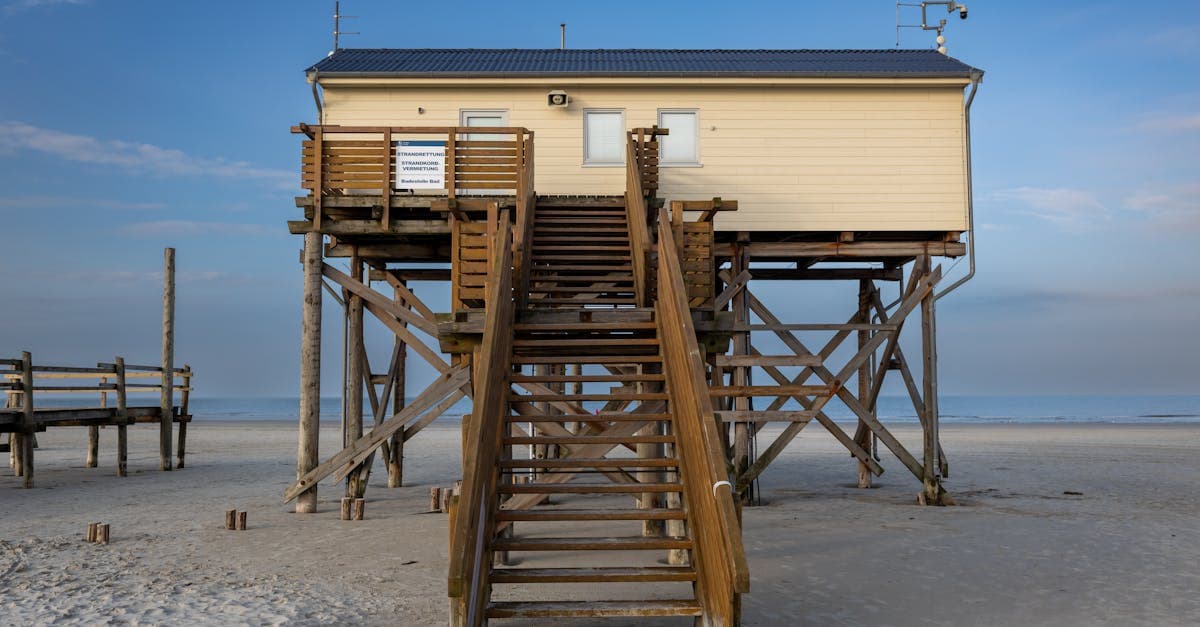
Elevated construction in Florida: Florida building codes require new construction in flood zones to be elevated above the base flood elevation. Homes built on pilings, stilts, or raised foundations comply with this requirement. Elevated homes still require flood insurance in mandatory zones but typically pay lower premiums because the living space is above the expected flood level.
Flood vents and openings: Enclosures below the base flood elevation — such as ground-level garages — must have flood vents that allow water to enter and exit freely. Proper flood vents reduce structural damage during flooding and can affect insurance ratings. However, they do not remove the insurance requirement.
Flood barriers and retrofits: Homeowners can install barriers, waterproof coatings, and other retrofits to reduce flood damage. These measures may qualify for premium discounts but do not change the flood zone designation or eliminate the insurance requirement. FEMA's Community Rating System provides premium discounts for communities that implement comprehensive flood mitigation.
The Community Rating System (CRS): Many Florida communities participate in the CRS, which recognizes community-level floodplain management activities that exceed NFIP minimum requirements. Participating communities earn premium discounts of 5 to 45 percent for their residents. These discounts reduce the cost of both required and voluntary flood insurance.
Mitigation grants: FEMA offers mitigation grants for flood-prone properties, including funding for elevation, flood-proofing, and in some cases, property buyouts. Florida homeowners with repetitive flood losses may qualify for increased mitigation assistance.
When Flood Insurance Is Not Required in Florida — But You Should Still Have It
Here is the thing though — The federal flood insurance mandate captures properties in the highest-risk zones with federal mortgages. But millions of Florida properties face real flood risk without a legal requirement to carry coverage. Understanding this gap is critical because the uncharted waters that swallow homes and savings when Florida residents assume flood insurance is optional in a state surrounded by water.
Properties outside high-risk zones: Florida properties in Zone X, B, or C are not subject to the federal mandate regardless of mortgage type. Yet over 25 percent of NFIP flood claims come from these moderate and low-risk zones. In Florida, where flat terrain impedes drainage and heavy rainfall can overwhelm stormwater systems, flooding in non-mandatory zones is a regular occurrence.
Properties without federal mortgages: Homes owned outright, financed through private lenders not subject to federal regulation, or held in certain trust arrangements may not face a federal flood insurance mandate even if they are in high-risk zones. The absence of a mortgage requirement does not reduce the flood risk — it simply removes the mandated financial protection.
Homes where the mortgage is paid off: Many Florida homeowners drop flood insurance once they pay off their mortgage and the legal requirement ends. This is one of the most dangerous financial decisions a Florida homeowner can make. The flood risk has not changed — only the requirement has been removed.
The financial argument for voluntary coverage: A single inch of floodwater in a home can cause $25,000 in damage. Two feet of water can cause $80,000 or more. Without flood insurance, these costs come entirely from savings, loans, or home equity. Federal disaster assistance, when available, typically comes as loans that must be repaid — not grants. FEMA individual assistance averages around $5,000 to $8,000, a fraction of actual flood repair costs.
Affordable options for voluntary coverage: Properties outside high-risk zones may qualify for NFIP Preferred Risk Policies with premiums as low as $300 to $600 per year. For this cost, the coverage provides $250,000 in building protection and $100,000 in contents protection — an exceptional value for properties that face real flood risk without a mandate.
Take Action on Your Florida Flood Insurance Today
Understanding flood insurance requirements is only valuable if you act on that knowledge. Here is what to do right now.
First, determine your flood zone by visiting msc.fema.gov or your county's property appraiser website. Enter your address and identify your zone designation. If you are in Zone A, AE, V, VE, or any other Special Flood Hazard Area with a federally backed mortgage, flood insurance is required.
Second, if you are required to carry flood insurance, verify that your current policy meets the minimum coverage amount and is active. If you do not have coverage, contact a licensed insurance agent immediately to avoid force-placed insurance consequences.
Third, even if flood insurance is not required for your property, evaluate your actual flood risk. In Florida, the question is not whether flooding can happen — it is when. Consider purchasing a voluntary policy, especially if your property is in a moderate-risk zone or near any water feature.
Flood insurance compliance in Florida is plotting a clear course through Florida's complex flood insurance requirements so every homeowner knows exactly where they stand. Taking these steps ensures you meet your legal obligations and protect your property from the financial devastation of uninsured flood damage.
Continue reading

How to Compare Insurance Quotes the Right Way: A Complete Guide
Comparing insurance quotes on price alone is a common and costly mistake. This guide walks through every element you should evaluate to find the policy that delivers the best value for your specific situation.

When Should You Get a Policy Checkup? A Complete Timing Guide
Your insurance needs change as your life changes. A policy checkup ensures your coverage keeps pace with new risks, assets, and responsibilities. This guide explains when and how to review your policies.

What Is Assignment of Benefits in Insurance? A Complete Guide
Assignment of benefits lets you transfer your insurance claim rights to a third party like a contractor. This guide explains how AOB works, when it helps, and when it can backfire.