Flood Insurance vs Homeowners Insurance: Understanding the Critical Differences

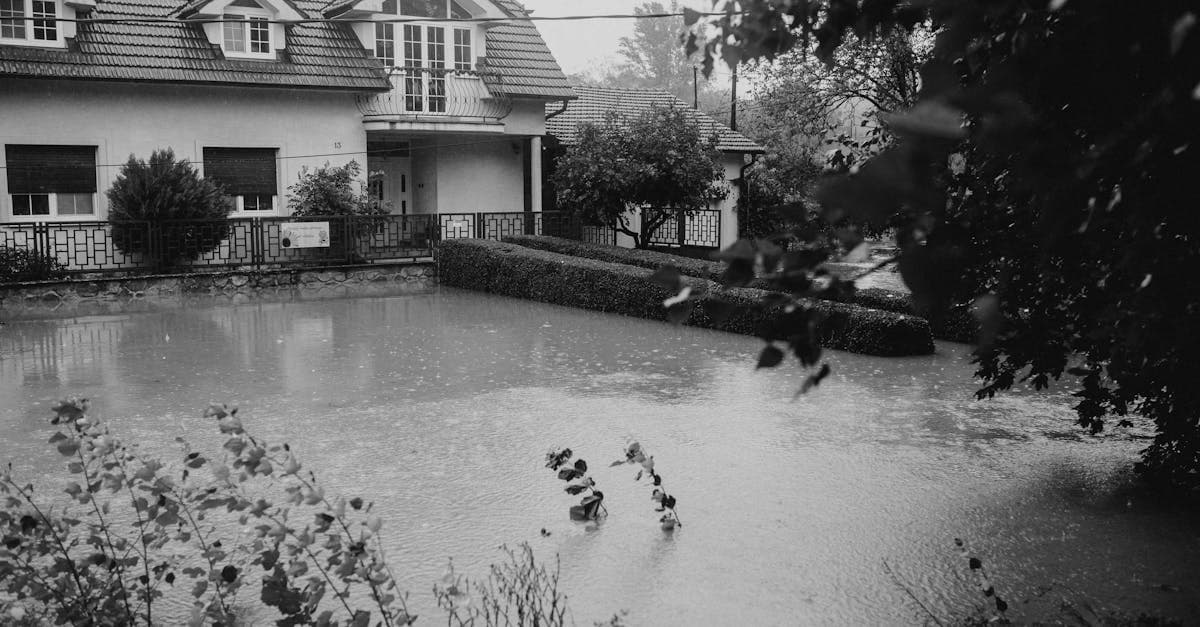
Let's walk through the key differences between flood insurance and homeowners insurance — because understanding what each policy covers could save you tens of thousands of dollars when water damage strikes. The relationship between flood insurance and homeowners insurance is the two-chart navigation system that covers both inland waterways and open seas so no route leaves you unprotected. These two policies divide the universe of water damage between them, with each covering specific perils that the other explicitly excludes.
Homeowners insurance covers your home against fire, theft, windstorms, hail, and water damage from internal sources like burst pipes, failed appliances, and accidental overflows. But every standard homeowners policy contains a clear exclusion for flood damage — water that enters your home from outside as rising water, storm surge, or surface runoff.
Flood insurance exists specifically to fill this gap. Whether purchased through the National Flood Insurance Program or a private insurer, flood insurance covers the water damage perils that homeowners insurance refuses to touch. Without it, your home has the single map that shows only half the coastline, leaving sailors exposed to dangers lurking on the uncharted side.
Understanding where one policy ends and the other begins is not academic — it determines whether you receive a claim payment or a denial letter after water damages your home. The water's source, behavior, and entry point into your home determine which policy responds, and getting this distinction wrong can cost you tens of thousands of dollars.
Covered Perils: What Each Policy Protects Against
Here is the thing though — Understanding the covered perils in each policy is the two-chart navigation system that covers both inland waterways and open seas so no route leaves you unprotected. Flood insurance and homeowners insurance divide water damage into two completely separate categories, and knowing which perils fall under which policy prevents costly surprises.
Homeowners insurance covered water perils: Standard homeowners policies cover sudden and accidental water damage from internal sources. This includes burst pipes and plumbing failures, water heater ruptures, washing machine and dishwasher overflows, accidental toilet overflows, ice dam leaks through the roof, and wind-driven rain entering through storm-damaged openings. The key characteristic is that the water originates from inside your home or enters through damage caused by a covered peril like wind.
Flood insurance covered water perils: Flood insurance covers damage from rising water that enters your home from outside. This includes river and stream overflow, storm surge and tidal flooding, surface water runoff from heavy rainfall, mudflow caused by flooding, and any general and temporary condition where normally dry land becomes partially or completely inundated. The key characteristic is that the water originates from an external source and rises or flows into your home.
The bright line between them: The distinction is not about the amount of water or the severity of damage — it is about source and direction. A burst pipe that floods your entire first floor is a homeowners claim. A rainstorm that sends four inches of water through your front door is a flood claim. Same amount of water, same amount of damage, completely different insurance responses.
Perils neither policy covers: Some water damage falls outside both policies. Gradual seepage, long-term moisture damage, mold from deferred maintenance, and water damage from lack of upkeep may be excluded from both flood and homeowners coverage. Maintaining your home reduces the risk of these uncovered losses.
Basement Water Damage: The Most Confusing Coverage Area for Homeowners
Now, this is where it gets interesting. Basement water damage is where the distinction between flood and homeowners insurance becomes most confusing — and most expensive when coverage expectations do not match reality.
Homeowners insurance and basements: Your homeowners policy covers basement water damage from internal sources. A burst pipe in the basement, a failed water heater, or an overflowing laundry tub are all covered homeowners claims. The damage to your finished basement — drywall, flooring, built-in features, and stored belongings — is covered because the water source was internal and accidental.
NFIP flood insurance and basements: NFIP coverage for basements and below-grade spaces is significantly limited. Flood insurance covers the structural components — walls, floors, and the foundation itself. It covers essential mechanical equipment including furnaces, water heaters, and electrical panels. But it does not cover finished improvements like drywall, paneling, carpet, tile flooring, or built-in cabinets in below-grade areas.
The finished basement gap: If your finished basement floods from external rising water, NFIP flood insurance covers the structural and mechanical damage but not your finished improvements. This can leave thousands of dollars in damage uncovered — the very drywall, flooring, and built-in features that make a finished basement valuable.
Private flood insurance options: Some private flood insurers offer broader basement coverage than the NFIP, including coverage for finished improvements below grade. If you have a finished basement, comparing private flood policy terms against NFIP terms is especially important.
Sewer backup and basements: Water that enters your basement through floor drains or sewer connections is a sewer backup event — not a flood event. This requires a sewer backup endorsement on your homeowners policy. Many homeowners with finished basements benefit from carrying all three: homeowners insurance, flood insurance, and a sewer backup endorsement.
Practical advice for basement owners: If you have a valuable finished basement, understand the coverage limitations of each policy. Consider private flood insurance with finished basement coverage. Add a sewer backup endorsement to your homeowners policy. And invest in prevention measures like sump pumps with battery backup and backflow prevention valves.
Building a Complete Protection Strategy With Both Policies
Here is the thing though — The goal of carrying both flood insurance and homeowners insurance is creating seamless protection where no water damage scenario leaves you financially exposed. Building this strategy requires intentional decisions about coverage levels, deductibles, and supplemental coverages — because plotting a complete course through every water-damage scenario by reading both the flood chart and the homeowners chart together.
Start with homeowners insurance: Your homeowners policy is the foundation. Ensure your dwelling coverage matches your home's full replacement cost. Select personal property coverage sufficient to replace your belongings. Add endorsements for scheduled valuables, sewer backup coverage, and any other water-related endorsements your insurer offers.
Add flood insurance to fill the gap: Choose between NFIP and private flood insurance based on your property's characteristics and needs. If your home's value exceeds $250,000, consider private flood insurance for higher building limits. If your contents are valuable, consider a private policy with replacement cost contents coverage.
Align deductibles with your budget: Your total deductible exposure in a dual-claim event includes your homeowners deductible plus your flood insurance building deductible plus your flood insurance contents deductible. Ensure you can afford all applicable deductibles simultaneously after a major storm.
Add sewer backup coverage: For $40 to $160 per year, a sewer backup endorsement on your homeowners policy closes the gap between flood and homeowners coverage for water that enters through drains. This is especially important for homes with basements.
Review coverage annually: Home values, personal property values, and flood risk all change over time. Review both policies annually to ensure coverage levels, deductibles, and endorsements still match your needs. Update coverage amounts when you renovate, acquire valuable property, or when local conditions change.
Document your coverage strategy: Keep copies of both policies, your agent's contact information, and your coverage summary in a waterproof location or digital backup. After a water event, you need immediate access to both policy documents to file claims efficiently with both insurers.
The Flood Exclusion: Understanding Your Homeowners Policy's Most Important Limitation
Here is the thing though — The flood exclusion in your homeowners policy represents the single map that shows only half the coastline, leaving sailors exposed to dangers lurking on the uncharted side. This exclusion removes coverage for an entire category of water damage and is the primary reason a separate flood insurance policy exists.
What the exclusion says: Standard homeowners policy language excludes damage caused by flood, including surface water, waves, tidal water, overflow of a body of water, spray from any of these, and water that backs up through sewers or drains due to flooding. The language is broad and covers virtually every scenario involving water from external sources.
Why the exclusion exists: Flood losses are catastrophic and correlated — when one home floods, hundreds or thousands in the same area flood simultaneously. This concentration of loss overwhelms the risk-spreading model that makes insurance work. Private insurers cannot profitably include flood coverage in standard homeowners policies because a single flood event can generate billions in claims from one geographic area.
How adjusters enforce the exclusion: After a water damage event, your homeowners insurance adjuster examines the source and path of the water. If evidence shows that water entered your home from outside at or below ground level as rising water, the adjuster classifies that portion as flood damage and applies the exclusion. Physical evidence includes waterlines on walls, mud and debris patterns, and the direction of water flow.
The exclusion applies in every zone: The flood exclusion in your homeowners policy does not change based on your FEMA flood zone. Whether you live in high-risk Zone A or minimal-risk Zone X, your homeowners policy excludes flood damage with identical language. The exclusion is about the type of water damage, not the probability of it occurring.
No endorsement overrides it: Unlike some other exclusions that can be removed with an endorsement, the flood exclusion in homeowners policies cannot be overridden. You cannot pay extra to add flood coverage to your homeowners policy. The only option is a separate flood insurance policy.
The impact on claim outcomes: Homeowners who do not understand the flood exclusion are often devastated by denied claims after water events. Knowing the exclusion exists and purchasing flood insurance to fill the gap prevents this outcome and ensures every water damage scenario has a policy that responds.
Replacement Cost vs Actual Cash Value: How Each Policy Values Your Losses
Now, this is where it gets interesting. The way each policy calculates claim payments directly affects how much money you receive to repair or replace damaged property. This valuation difference is one of the most significant distinctions between flood and homeowners insurance.
Homeowners insurance valuation: Most homeowners policies pay replacement cost for building damage — the full cost to repair or replace damaged components with materials of like kind and quality without deducting for depreciation. Many homeowners policies also offer replacement cost for personal property with the appropriate endorsement.
NFIP flood insurance building valuation: NFIP flood insurance pays replacement cost for building damage, matching homeowners insurance in this regard. Damaged structural components, systems, and fixtures are valued at their current replacement cost, allowing full repair to pre-flood condition.
NFIP flood insurance contents valuation: Here the difference becomes significant. NFIP flood insurance pays actual cash value for contents — replacement cost minus depreciation. A television you bought for $1,500 three years ago might have an actual cash value of $700 after depreciation. The NFIP pays $700 while a homeowners policy with replacement cost contents coverage would pay $1,500.
The depreciation impact: Actual cash value payments for contents can be substantially less than replacement cost, especially for older items. Furniture, electronics, appliances, and clothing all depreciate. After a flood destroys your personal property, the gap between what it costs to replace everything and what the NFIP pays can be thousands of dollars.
Private flood insurance valuation: Some private flood insurers offer replacement cost coverage for both building and contents, eliminating the depreciation penalty on personal property claims. This feature alone can make a private flood policy more valuable than an NFIP policy for homeowners with significant personal property.
Practical implications: When evaluating flood insurance options, compare how building and contents are valued. If your contents are valuable and you want full replacement after a flood, a private flood policy with replacement cost contents coverage — or a higher NFIP building limit with more contents covered under building — may provide better financial recovery.
The Flood Exclusion: Understanding Your Homeowners Policy's Most Important Limitation
Here is the thing though — The flood exclusion in your homeowners policy represents the single map that shows only half the coastline, leaving sailors exposed to dangers lurking on the uncharted side. This exclusion removes coverage for an entire category of water damage and is the primary reason a separate flood insurance policy exists.
What the exclusion says: Standard homeowners policy language excludes damage caused by flood, including surface water, waves, tidal water, overflow of a body of water, spray from any of these, and water that backs up through sewers or drains due to flooding. The language is broad and covers virtually every scenario involving water from external sources.
Why the exclusion exists: Flood losses are catastrophic and correlated — when one home floods, hundreds or thousands in the same area flood simultaneously. This concentration of loss overwhelms the risk-spreading model that makes insurance work. Private insurers cannot profitably include flood coverage in standard homeowners policies because a single flood event can generate billions in claims from one geographic area.
How adjusters enforce the exclusion: After a water damage event, your homeowners insurance adjuster examines the source and path of the water. If evidence shows that water entered your home from outside at or below ground level as rising water, the adjuster classifies that portion as flood damage and applies the exclusion. Physical evidence includes waterlines on walls, mud and debris patterns, and the direction of water flow.
The exclusion applies in every zone: The flood exclusion in your homeowners policy does not change based on your FEMA flood zone. Whether you live in high-risk Zone A or minimal-risk Zone X, your homeowners policy excludes flood damage with identical language. The exclusion is about the type of water damage, not the probability of it occurring.
No endorsement overrides it: Unlike some other exclusions that can be removed with an endorsement, the flood exclusion in homeowners policies cannot be overridden. You cannot pay extra to add flood coverage to your homeowners policy. The only option is a separate flood insurance policy.
The impact on claim outcomes: Homeowners who do not understand the flood exclusion are often devastated by denied claims after water events. Knowing the exclusion exists and purchasing flood insurance to fill the gap prevents this outcome and ensures every water damage scenario has a policy that responds.
Take Action: Ensure Complete Water Damage Protection Today
Understanding the difference between flood insurance and homeowners insurance is only valuable if you act on it. Here is what to do right now.
First, review your homeowners policy and confirm you understand the flood exclusion. Read the exclusion language so you know exactly what water damage scenarios are not covered. If you have questions, call your agent and ask for a clear explanation.
Second, request a flood insurance quote. Ask your agent about both NFIP and private flood insurance options for your property. Compare coverage limits, deductibles, valuation methods, and premiums. A quote costs nothing and takes minutes.
Third, add sewer backup coverage to your homeowners policy if you do not already have it. This inexpensive endorsement closes the gap between flood and homeowners insurance for water that backs up through drains.
Flood insurance alongside homeowners insurance is plotting a complete course through every water-damage scenario by reading both the flood chart and the homeowners chart together. Together, these policies ensure that no water damage event — whether from a burst pipe, a backed-up sewer, or a rising river — leaves you unprotected. The combined cost is modest. The protection is comprehensive. And the peace of mind is invaluable.
Continue reading

How to Compare Insurance Quotes the Right Way: A Complete Guide
Comparing insurance quotes on price alone is a common and costly mistake. This guide walks through every element you should evaluate to find the policy that delivers the best value for your specific situation.

When Should You Get a Policy Checkup? A Complete Timing Guide
Your insurance needs change as your life changes. A policy checkup ensures your coverage keeps pace with new risks, assets, and responsibilities. This guide explains when and how to review your policies.

What Is Assignment of Benefits in Insurance? A Complete Guide
Assignment of benefits lets you transfer your insurance claim rights to a third party like a contractor. This guide explains how AOB works, when it helps, and when it can backfire.