Does Homeowners Insurance Cover Water Damage? The Complete Answer

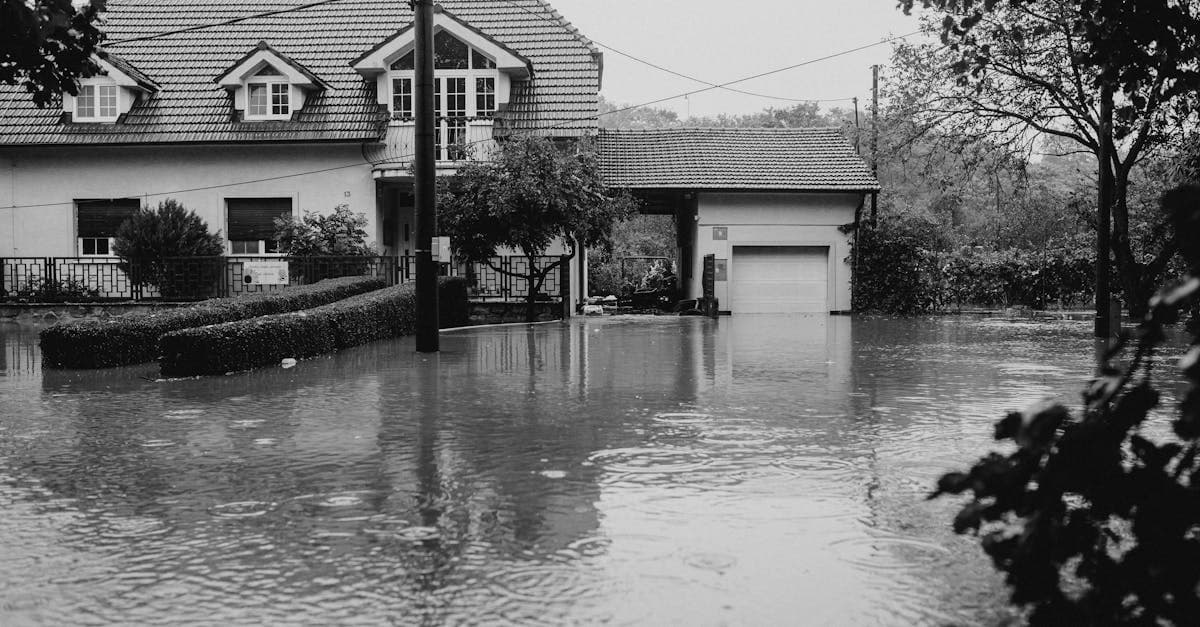
Let's talk about one of the most confusing topics in homeowners insurance — water damage coverage — because the answer to whether your policy pays depends entirely on where the water came from and how it got into your home. Your homeowners policy is the navigational chart that steers homeowners away from the hidden reefs of water damage, mapping every covered and excluded source before a drop reaches your floor. Water damage is the second most common homeowners insurance claim in America, but the coverage landscape is anything but simple. Whether your insurer pays depends on the source of the water, the speed at which it entered your home, and whether you maintained your property properly.
A standard HO-3 homeowners policy covers sudden and accidental water damage from internal sources. A burst pipe that floods your kitchen, a washing machine hose that ruptures, an overflowing bathtub that damages the ceiling below — these events are covered because they are sudden and originate inside your home's systems.
But the coverage stops at a specific line. Gradual water damage from slow leaks is excluded. Flood damage from external water is excluded. Sewer backup is excluded unless you purchase an endorsement. Groundwater seepage is excluded. These exclusions represent the uncharted current that pulls homeowners into financial ruin when water damage strikes and the policy exclusions they never studied leave them without a lifeline.
Most homeowners assume all water damage is covered, but the source and timing determine everything. This guide breaks down every category of water damage — covered and excluded — so you know exactly where you stand before the next drop falls.
Sudden vs Gradual Water Damage: The Line That Determines Coverage
Here is the thing though — The most important distinction in homeowners water damage coverage is the difference between sudden and gradual damage, and your policy is the navigational chart that steers homeowners away from the hidden reefs of water damage, mapping every covered and excluded source before a drop reaches your floor only for the sudden variety. Every water damage claim starts with your insurer asking one question: was this damage sudden and accidental, or did it develop gradually over time?
Sudden damage is covered: A pipe that bursts without warning, a washing machine hose that ruptures, a water heater that fails catastrophically, or a toilet that overflows suddenly — all trigger coverage under your homeowners policy. The defining characteristic is that the water escape was unexpected and rapid.
Gradual damage is excluded: A pipe fitting dripping behind a wall for months, a toilet running constantly causing subfloor rot, or a shower pan seeping water into joists over years — all are excluded under the maintenance provisions of your policy.
How insurers determine timing: Adjusters examine physical evidence. Mineral deposits suggest long-term dripping. Extensive mold indicates prolonged moisture. Discoloration reveals sustained water flow. Fresh damage with no secondary growth supports a sudden event.
The gray area: Many events fall between clearly sudden and clearly gradual. A fitting may have wept for weeks before failing catastrophically. Your insurer covers the sudden failure but may exclude damage from earlier gradual seepage. Documenting discovery timing strengthens borderline cases.
Protecting yourself: Regular plumbing inspections, prompt repair of small leaks, and water detection sensors catch gradual issues before they become excluded damage events.
Hidden Water Leaks: The Coverage Challenge Behind Your Walls
Now, this is where it gets interesting. Hidden water leaks present one of the most challenging coverage scenarios in homeowners insurance because the critical question — was this sudden or gradual — is often difficult to answer when the leak has been concealed behind walls, under floors, or above ceilings.
When hidden leaks are covered: A pipe behind a wall that bursts suddenly is covered regardless of its hidden location. The fact that you could not see the pipe does not change the coverage determination. Tear-out costs to access and repair the pipe are typically included in the claim.
When hidden leaks are excluded: If investigation reveals a pipe has been leaking for weeks or months — evidenced by mold growth, mineral deposits, wood rot, or widespread staining — the claim is denied as gradual damage. The hidden location does not excuse gradual failure.
The investigation process: Adjusters examine physical evidence of timing. Fresh damage with no mold or discoloration suggests a recent sudden event. Extensive secondary damage including mold colonies and deteriorated wood indicates prolonged moisture exposure. A plumber's assessment of the failure mode also factors into coverage.
Partial coverage scenarios: Some hidden leaks involve both sudden and gradual elements. A fitting may have seeped for weeks before failing completely. Your insurer may cover damage from the sudden failure while excluding damage from the earlier gradual phase. These split determinations are common in hidden leak claims.
Detection technology: Smart leak sensors detect water within hours, catching issues before they become excluded gradual damage. Sensor data documents the exact discovery timeline, providing evidence that supports sudden event coverage determinations.
Frozen Pipe Water Damage: Winter Coverage Rules Every Homeowner Needs
Here is the thing though — Frozen pipes that burst are a covered water damage event under homeowners insurance, but coverage comes with an important condition: you must have taken reasonable steps to protect your plumbing from freezing. This maintenance requirement determines whether your frozen pipe claim is approved or denied.
The coverage basics: When freezing causes a pipe to burst, water damage to your home and belongings is covered. Dwelling coverage pays for structural repairs. Personal property coverage replaces damaged belongings. Loss of use pays for temporary housing if needed.
The maintenance condition: Your policy requires maintaining heat during cold weather or taking reasonable steps to protect plumbing. Turning off heat during a winter vacation may result in denial. Pipes in unheated areas that freeze due to lack of insulation face similar scrutiny.
What constitutes reasonable steps: Maintaining your thermostat at fifty-five degrees or above satisfies most policies. Opening cabinet doors during extreme cold, allowing faucets to drip, and insulating exposed pipes demonstrate reasonable care.
Snowbird and vacancy concerns: Extended winter absences elevate frozen pipe risk. Some insurers require weekly property checks, minimum thermostat settings, or water supply shutoff. Failing to meet these conditions can void coverage.
Prevention investments: Insulate pipes in unheated areas. Install a smart thermostat with temperature drop alerts. Consider an automatic shutoff system. These investments cost far less than the average frozen pipe claim.
Sudden vs Gradual Water Damage: The Line That Determines Coverage
Here is the thing though — The most important distinction in homeowners water damage coverage is the difference between sudden and gradual damage, and your policy is the navigational chart that steers homeowners away from the hidden reefs of water damage, mapping every covered and excluded source before a drop reaches your floor only for the sudden variety. Every water damage claim starts with your insurer asking one question: was this damage sudden and accidental, or did it develop gradually over time?
Sudden damage is covered: A pipe that bursts without warning, a washing machine hose that ruptures, a water heater that fails catastrophically, or a toilet that overflows suddenly — all trigger coverage under your homeowners policy. The defining characteristic is that the water escape was unexpected and rapid.
Gradual damage is excluded: A pipe fitting dripping behind a wall for months, a toilet running constantly causing subfloor rot, or a shower pan seeping water into joists over years — all are excluded under the maintenance provisions of your policy.
How insurers determine timing: Adjusters examine physical evidence. Mineral deposits suggest long-term dripping. Extensive mold indicates prolonged moisture. Discoloration reveals sustained water flow. Fresh damage with no secondary growth supports a sudden event.
The gray area: Many events fall between clearly sudden and clearly gradual. A fitting may have wept for weeks before failing catastrophically. Your insurer covers the sudden failure but may exclude damage from earlier gradual seepage. Documenting discovery timing strengthens borderline cases.
Protecting yourself: Regular plumbing inspections, prompt repair of small leaks, and water detection sensors catch gradual issues before they become excluded damage events.
Hidden Water Leaks: The Coverage Challenge Behind Your Walls
Now, this is where it gets interesting. Hidden water leaks present one of the most challenging coverage scenarios in homeowners insurance because the critical question — was this sudden or gradual — is often difficult to answer when the leak has been concealed behind walls, under floors, or above ceilings.
When hidden leaks are covered: A pipe behind a wall that bursts suddenly is covered regardless of its hidden location. The fact that you could not see the pipe does not change the coverage determination. Tear-out costs to access and repair the pipe are typically included in the claim.
When hidden leaks are excluded: If investigation reveals a pipe has been leaking for weeks or months — evidenced by mold growth, mineral deposits, wood rot, or widespread staining — the claim is denied as gradual damage. The hidden location does not excuse gradual failure.
The investigation process: Adjusters examine physical evidence of timing. Fresh damage with no mold or discoloration suggests a recent sudden event. Extensive secondary damage including mold colonies and deteriorated wood indicates prolonged moisture exposure. A plumber's assessment of the failure mode also factors into coverage.
Partial coverage scenarios: Some hidden leaks involve both sudden and gradual elements. A fitting may have seeped for weeks before failing completely. Your insurer may cover damage from the sudden failure while excluding damage from the earlier gradual phase. These split determinations are common in hidden leak claims.
Detection technology: Smart leak sensors detect water within hours, catching issues before they become excluded gradual damage. Sensor data documents the exact discovery timeline, providing evidence that supports sudden event coverage determinations.
Ice Dam Water Damage: Coverage for Cold-Climate Homeowners
Here is the thing though — Ice dams form when heat escaping through your roof melts snow that refreezes at the eaves, creating a barrier that traps water on your roof. That trapped water backs up under shingles and leaks into your home, causing damage to ceilings, walls, insulation, and personal property. Homeowners insurance covers ice dam water damage as a sudden weather-related event.
What your policy covers: The water damage from ice dam backup is covered under dwelling and personal property sections — damaged ceilings, walls, insulation, flooring, and belongings destroyed by the water. Restoration expenses including extraction and drying are covered.
Roof damage from ice dams: Damage to shingles, flashing, and underlayment from ice dam formation is covered under dwelling coverage as damage from the weight of ice and snow.
Ice dam removal costs: Many policies cover ice dam removal as part of your duty to mitigate further damage. However, some insurers consider removal a maintenance expense if ice dams recur on your roof.
The maintenance angle: Insurers may scrutinize claims from homes with chronic ice dam problems. Inadequate attic insulation and ventilation contribute to formation, and repeated claims may prompt required improvements.
Prevention strategies: Proper attic insulation prevents heat escape through the roof. Adequate ventilation keeps the roof deck cold. Heat cables along eaves provide a last defense.
Take Action on Your Water Damage Coverage Today
Understanding water damage coverage is only valuable when you act on it. Here is what you should do this week to protect your home from the full spectrum of water damage threats.
First, review your homeowners declarations page and confirm you understand which water damage events your standard policy covers. Look specifically for the flood exclusion, the sewer backup exclusion, and the gradual damage exclusion. Knowing where your coverage ends is the first step toward closing the gaps.
Second, add a sewer backup endorsement if you do not already have one. At thirty to seventy-five dollars per year, this is the highest-value water damage endorsement available. Every homeowner with indoor plumbing faces sewer backup risk, and the average claim far exceeds the endorsement cost.
Third, evaluate whether you need separate flood insurance. If your home is in a flood zone, near a body of water, or in a low-lying area, a flood policy closes the most dangerous gap in your water damage coverage. Even homeowners outside high-risk zones file twenty-five percent of all flood claims.
Fourth, install water leak detection sensors near your water heater, washing machine, dishwasher, and under sinks. Early detection converts potentially excluded gradual leaks into documented sudden events and prevents major damage from minor failures.
Your water damage coverage is charting a precise course through the murky waters of water damage coverage so every pipe, drain, and weather event has a mapped insurance response. The combination of adequate insurance, smart endorsements, leak detection technology, and regular maintenance creates a comprehensive water damage defense that covers what your policy pays and prevents what it excludes. Take action now — before the next drop of water tests your coverage.
Continue reading

How to Compare Insurance Quotes the Right Way: A Complete Guide
Comparing insurance quotes on price alone is a common and costly mistake. This guide walks through every element you should evaluate to find the policy that delivers the best value for your specific situation.

When Should You Get a Policy Checkup? A Complete Timing Guide
Your insurance needs change as your life changes. A policy checkup ensures your coverage keeps pace with new risks, assets, and responsibilities. This guide explains when and how to review your policies.

What Is Assignment of Benefits in Insurance? A Complete Guide
Assignment of benefits lets you transfer your insurance claim rights to a third party like a contractor. This guide explains how AOB works, when it helps, and when it can backfire.