Does Homeowners Insurance Cover Roof Leaks? The Complete Answer

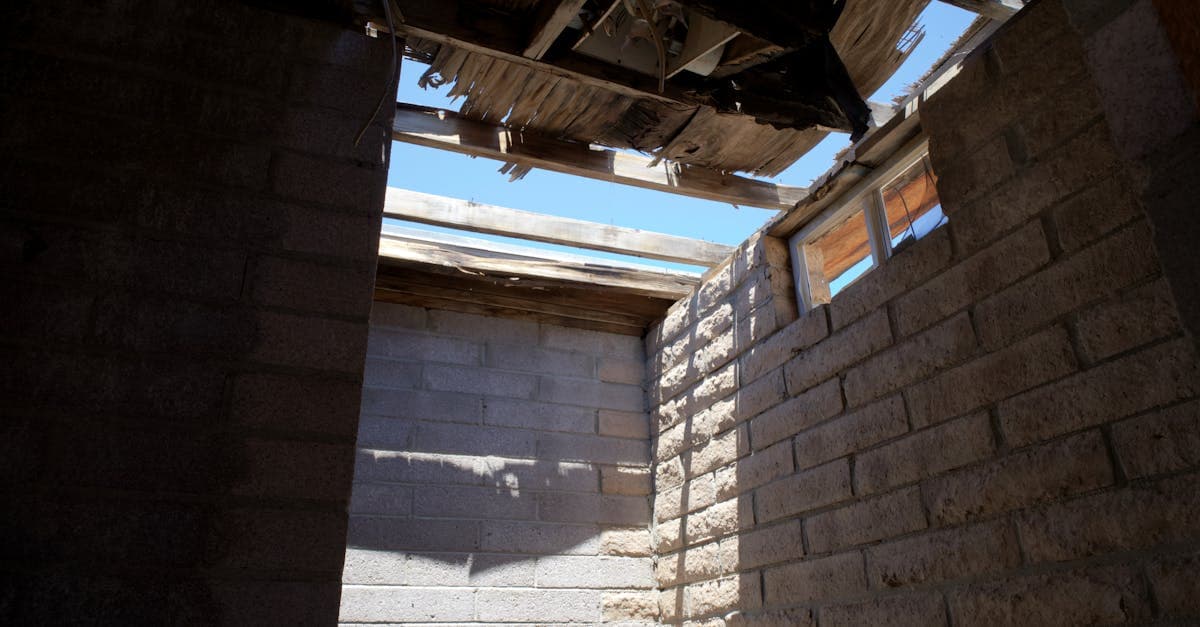
Let's talk about one of the most common and confusing homeowners insurance questions — whether your policy actually covers that roof leak dripping into your living room. Homeowners insurance is the navigational chart that steers homeowners away from the hidden reefs of roof damage and toward the safe harbor of covered repairs. The fundamental principle governing roof leak coverage is the distinction between sudden, accidental damage from covered perils and gradual deterioration from aging, wear, or neglect. This single distinction determines the outcome of the vast majority of roof leak claims.
When a windstorm rips shingles from your roof and rain pours through the opening, your homeowners insurance covers both the roof repair and the interior water damage. When hail cracks your roofing material and water seeps in during the next rainfall, coverage applies. When a tree limb crashes through your roof during a storm, your policy pays. These are sudden, accidental events caused by covered perils — exactly the kind of damage homeowners insurance is designed to handle.
But when your roof leaks because shingles have deteriorated over fifteen years of sun exposure, your claim will be denied. When flashing around your chimney gradually separates and allows water entry over months or years, your insurer will classify it as a maintenance failure. When poor attic ventilation causes condensation that rots your roof deck, the damage is excluded because it resulted from a condition you were expected to address.
The challenge for homeowners is that many roof leaks involve elements of both sudden damage and gradual wear, creating the foggy channel where homeowners drift blindly until a roof leak reveals they have been sailing without adequate coverage. A storm may be the final event that causes a leak, but the insurer may argue that the roof was already compromised by age or neglect. Understanding how insurers evaluate these overlapping causes — and how to document your roof's condition — is essential for successfully navigating roof leak claims. This guide breaks down every scenario, every coverage rule, and every strategy for protecting your claim.
Covered Perils That Cause Roof Leaks
Here is the thing though — Your homeowners insurance responds to roof leaks caused by specific covered perils, and understanding which events qualify is the navigational chart that steers homeowners away from the hidden reefs of roof damage and toward the safe harbor of covered repairs. The most common covered perils leading to roof leaks include wind, hail, fallen trees, lightning, fire, and the weight of ice and snow.
Wind damage: Wind can lift, crack, or remove roofing materials, creating openings where water enters. Policies cover the roof repair and resulting interior water damage when wind is the documented cause. Even moderate windstorms can compromise roofing, especially on aging installations where shingles have lost adhesion over time.
Hail damage: Hail cracks asphalt shingles, dents metal roofing, and breaks tile. Even without immediate leaking, hail compromises roof integrity and is covered when documented promptly after the storm. Hail damage often leads to leaks weeks or months after the initial impact as compromised materials deteriorate.
Fallen trees: When a tree strikes your roof and causes a leak, dwelling coverage pays for structural repair and interior damage. Your policy also covers tree removal from the roof up to policy limits. This coverage applies whether the tree was on your property or your neighbor's.
Weight of ice and snow: Heavy snow and ice buildup can cause structural failure or push water under roofing materials. This is a named peril covered by standard homeowners policies, particularly important for homeowners in northern climates.
Lightning strikes: Lightning can crack roofing materials, ignite fires, and create punctures leading to leaks. All resulting damage is covered under standard homeowners insurance, including secondary fire and water damage from firefighting efforts.
Replacement Cost vs Actual Cash Value for Roof Repairs
Now, this is where it gets interesting. How your insurer values roof damage determines whether you receive enough to fix it. The difference between replacement cost and actual cash value can be tens of thousands of dollars on a single claim.
Replacement cost coverage: Under replacement cost coverage, your insurer pays the full cost to repair or replace damaged roofing with materials of like kind and quality, without any deduction for age or wear. A $15,000 repair produces a $15,000 payout minus your deductible — enough to actually complete the work.
Actual cash value coverage: Under actual cash value, your insurer deducts depreciation based on your roof's age and remaining useful life. A fifteen-year-old asphalt shingle roof with a twenty-five-year expected lifespan might receive only forty percent of replacement cost, leaving you responsible for thousands of dollars out of pocket.
Age-triggered transitions: Many insurers automatically switch roof coverage from replacement cost to actual cash value when the roof reaches a specified age — commonly ten, fifteen, or twenty years. This transition often happens without explicit notification, surprising homeowners when they file a claim and receive a depreciated payout.
Recoverable depreciation process: Under replacement cost policies, your insurer may initially pay actual cash value and withhold the depreciation amount until you complete the repairs. Once you submit proof that repairs are finished, the insurer releases the remaining depreciation holdback.
Policy comparison importance: When shopping for homeowners insurance, compare roof coverage valuation methods carefully. A policy with a slightly higher premium but replacement cost roof coverage can save you thousands compared to a cheaper policy that pays only actual cash value on an aging roof.
Roof Coverage Endorsements: Upgrading Your Protection
Here is the thing though — Standard roof coverage may be insufficient, but endorsements can enhance it. Your policy is the navigational chart that steers homeowners away from the hidden reefs of roof damage and toward the safe harbor of covered repairs, and knowing available upgrades strengthens it where it is weakest.
Extended replacement cost: This endorsement pays beyond your dwelling coverage limit — typically 25 to 50 percent more — to cover your roof and home if actual rebuilding costs exceed your policy limit. After widespread disasters when contractor demand and material costs surge, extended replacement cost prevents you from running out of coverage during repairs.
Guaranteed replacement cost: The most comprehensive option, this endorsement pays whatever it costs to repair or rebuild to pre-loss condition regardless of your policy limit. This eliminates the risk of underinsurance entirely but is not available from all insurers and typically carries a higher premium than extended replacement cost.
Ordinance or law coverage: When roof repairs trigger building code upgrades — new ventilation requirements, updated structural standards, or impact-resistant material mandates — standard coverage does not pay the additional cost. This endorsement covers code-required upgrades that make your repaired roof more expensive than simple like-for-like replacement.
Scheduled roof coverage: Some specialty insurers offer endorsements that guarantee replacement cost coverage for your roof regardless of its age, eliminating age-based depreciation that dramatically reduces payouts on older roofs. This can be particularly valuable for homeowners with well-maintained older roofs.
Water backup endorsement relevance: While primarily designed for sewer backup, some water backup endorsements also cover water that enters through roof drainage systems backing up during heavy rain. Check whether your endorsement extends to any roof-related water entry scenarios.
The Maintenance Exclusion: The Most Common Reason for Roof Leak Denials
Now, this is where it gets interesting. The maintenance exclusion is the foggy channel where homeowners drift blindly until a roof leak reveals they have been sailing without adequate coverage. This provision states that damage from neglect, wear and tear, or deterioration is not covered. Insurers apply this exclusion to roof leak claims more than any other category.
What constitutes maintenance failure: Allowing shingles to curl without replacement, failing to reseal flashing around chimneys and vents, ignoring moss and algae growth that deteriorates roofing material, and neglecting gutter maintenance all qualify as failures that trigger this exclusion. Even minor deferred repairs can give insurers the evidence they need to deny a claim.
How insurers identify maintenance issues: Adjusters are trained to distinguish between storm damage and deterioration. Granule loss across the entire roof surface suggests aging rather than impact. Curling shingles indicate thermal cycling over years. Rust stains and algae growth show long-term neglect. Pre-existing deterioration evidence can result in full denial or substantial payout reduction.
The documentation defense: Counter maintenance exclusion arguments with records of regular inspections and repairs. Professional reports every two to three years, annual photographs, and maintenance receipts prove you fulfilled your responsibility as a homeowner and defeat the neglect narrative.
Partial denial scenarios: When both storm damage and deterioration contribute to a leak, the insurer may cover only the storm-specific damage. This partial determination often leads to disputes about how much damage each cause produced — disputes where thorough documentation determines the outcome.
Understanding Roof Leak Deductibles: Standard vs Percentage-Based
Here is the thing though — Your deductible determines out-of-pocket costs before insurance pays on a roof leak claim. In many states, roof claims carry deductibles significantly higher than standard, making this essential knowledge.
Standard flat deductibles: Most homeowners policies include a flat deductible — typically $1,000 to $2,500 — that applies to all claims including roof leaks. An $8,000 repair with a $1,500 deductible means your insurer pays $6,500. This straightforward calculation makes claim filing decisions relatively simple.
Percentage-based wind and hail deductibles: In hurricane-prone and hail-prone states, policies increasingly use percentage-based deductibles for wind and hail damage. These are calculated as a percentage of your dwelling coverage limit. A two percent wind deductible on a $400,000 home means your out-of-pocket cost is $8,000 before any insurance payment begins.
The filing decision: Percentage-based deductibles fundamentally change the math on whether to file a roof leak claim. A $10,000 repair with an $8,000 deductible produces only $2,000 in insurance payment while adding a claim to your history that could increase premiums. In many cases, handling moderate repairs independently is the wiser financial decision.
State-specific rules: Wind and hail deductible percentages vary by state, with coastal and tornado-prone states having the highest. Florida, Texas, Louisiana, and Oklahoma homeowners routinely face two to five percent deductibles that can make the first $10,000 to $20,000 of roof damage a personal expense rather than an insurance claim.
Choosing strategically: When purchasing or renewing your policy, evaluate deductible options in the context of your roof's age, your location's weather risk, and your ability to cover out-of-pocket costs. A higher deductible lowers your premium but increases your financial exposure when a covered roof leak occurs.
Ice Dam Roof Leaks: Winter Coverage for Northern Homeowners
Here is the thing though — Ice dams are a leading cause of winter roof leaks, and understanding coverage is charting a precise course through roof coverage rules so every leak scenario has a mapped path to financial recovery. An ice dam forms when escaping heat melts snow on the upper roof, and meltwater refreezes at the edge, forcing water under shingles into your home.
Coverage for ice dam damage: The weight of ice and snow is a covered peril under standard homeowners policies. When an ice dam forces water inside your home, damaging ceilings, walls, insulation, and personal belongings, your homeowners insurance covers the resulting damage including remediation costs.
Roof repair coverage: If the ice dam physically damages roofing materials — cracking shingles, displacing flashing, or breaking the roof membrane — the roof repair is also covered as damage from the weight of ice and snow. However, if water entered without physically damaging roofing materials, some insurers may cover only the interior damage.
The ventilation complication: Because ice dams often result from inadequate attic ventilation or insulation that allows heat to escape, insurers sometimes argue the damage is a maintenance or design issue. This argument has limited success in states recognizing ice dam damage as a covered peril, but maintaining proper ventilation remains important for both prevention and claim defense.
Prevention reduces claims: Installing proper attic insulation and ventilation, using ice and water shield membrane along roof edges, and removing snow from edges after heavy snowfall all reduce ice dam risk. Many insurers offer premium discounts for homes with documented prevention measures in place.
Repeated claims risk: Filing multiple ice dam claims within a few years can trigger non-renewal or premium surcharges. If your home is prone to ice dams, investing in prevention is more cost-effective than relying on repeated insurance claims that damage your claims history.
Take Action on Your Roof Leak Coverage Today
Understanding whether homeowners insurance covers roof leaks is only valuable if you act on that knowledge before a leak occurs. Here is what to do right now, because taking these steps is charting a precise course through roof coverage rules so every leak scenario has a mapped path to financial recovery.
First, check your policy's roof coverage details. Determine whether your roof is covered at replacement cost or actual cash value. Identify whether you have a standard deductible or a percentage-based wind and hail deductible. Look for any cosmetic damage exclusion that could limit your coverage for hail and impact damage.
Second, document your roof's current condition. Photograph it from multiple angles, both from the ground and, if possible, from above. Hire a professional roofer for an inspection and keep the report. This documentation establishes the baseline condition that defeats maintenance exclusion arguments if you ever need to file a claim.
Third, schedule regular maintenance. Clean your gutters twice per year, address any identified issues promptly, and keep receipts for all maintenance work. This maintenance record is your evidence that you fulfilled your responsibility as a homeowner.
Fourth, know your claim filing strategy. Calculate whether minor repairs are better handled out of pocket given your deductible and the potential premium impact of filing a claim. Reserve your insurance for significant damage that substantially exceeds your deductible.
Your roof is your home's first line of defense against the elements, and your insurance is your financial defense against the cost of roof failures. When both are well maintained, well documented, and well understood, you are prepared for whatever weather and time throw at your home.
Continue reading

How to Compare Insurance Quotes the Right Way: A Complete Guide
Comparing insurance quotes on price alone is a common and costly mistake. This guide walks through every element you should evaluate to find the policy that delivers the best value for your specific situation.

When Should You Get a Policy Checkup? A Complete Timing Guide
Your insurance needs change as your life changes. A policy checkup ensures your coverage keeps pace with new risks, assets, and responsibilities. This guide explains when and how to review your policies.

What Is Assignment of Benefits in Insurance? A Complete Guide
Assignment of benefits lets you transfer your insurance claim rights to a third party like a contractor. This guide explains how AOB works, when it helps, and when it can backfire.